Dharavi is often reduced to a stereotype, yet its reality is far more dynamic. Behind the narrow lanes lies a thriving leather factory ecosystem that supplies international brands and fuels a powerful tannery industry. This neighbourhood in Mumbai has evolved into a precision-driven export hub, producing millions of dollars’ worth of leather goods every year.
At the heart of this success is the dharavi leather market, recognised worldwide for skilled craftsmanship, competitive pricing, and remarkable community-led innovation. It embodies the spirit of Mumbai resilient, resourceful, and deeply entrepreneurial.
This blog explores the people, history, and processes shaping this industry. It asks an important question: What can this microcosm teach us about global trade, community strength, and human ingenuity?
The History of Dharavi’s Leather Industry
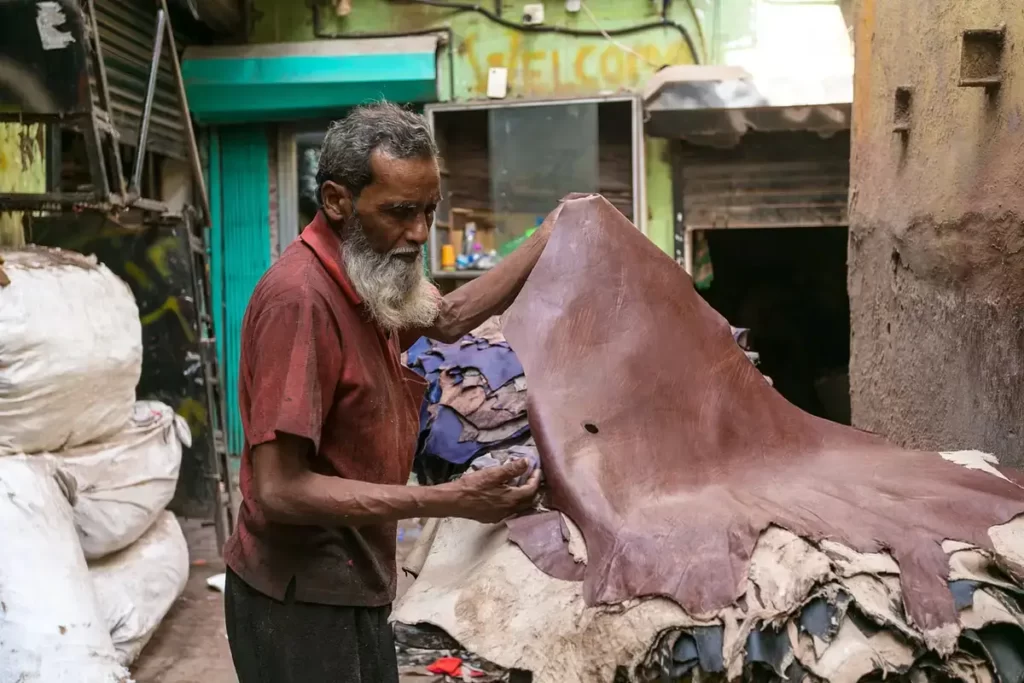
The roots of Dharavi leather go back to the 1950s, when migrant communities began using leatherwork as a survival craft. Small homes doubled as workshops, forming the earliest version of today’s interconnected leather factory clusters.
The industry grew rapidly during the 1960s and 70s as skilled artisans from across India arrived, bringing techniques that transformed the area into a vibrant, traditional leather market. With time, Dharavi’s clusters evolved into organized units supplying both domestic buyers and international clients.
What began as basic family operations is now part of the wider tannery industry, strongly linked to Mumbai’s economic identity. Today, the Dharavi leather market stands as one of the best examples of how migrant skill, innovation, and community effort can reshape an entire neighbourhood.
How Leather is Made in Dharavi (Step-by-Step)
Leather production in Dharavi is a blend of heritage, precision, and community-driven craftsmanship. The process reflects generations of skill, supported by Mumbai’s vibrant ecosystem of artisans and workshops. Each stage contributes to the identity of the dharavi leather market and its reputation for quality. Here’s the step-by-step process that brings Dharavi’s leather to life:
Sourcing & Government Tanning
Leather in Dharavi begins at government-run tanning centres, where hides undergo chemical treatment to prevent decay. These tanneries ensure quality, safety, and ethical standards—an essential foundation of the broader leather industry.
Skilled Dyeing Process
Dyeing in Dharavi is a meticulous, hands-on craft. Natural and synthetic dyes meet skilled workmanship, giving each piece colour and character. Artisans in the dharavi leather market emphasise patience and precision, resulting in rich textures that appeal to buyers worldwide.
Finishing Touch
Polishing, buffing, and behavioural treatments add refinement, ensuring each product meets global standards. Both traditional tools and modern machines merge seamlessly here—symbolising Dharavi’s balance of heritage and advancement.
Clustering
Instead of single-unit workshops, Dharavi operates through a collaborative model. Cutting, stitching, assembling, and finishing often happen across interconnected hubs. These clusters form the backbone of the traditional leather market, where knowledge-sharing is part of daily life.
Technological Integration
Despite tight spaces and infrastructural limitations, modern tools like cutting machines and advanced stitching equipment are widely used. This fusion of tradition and technology keeps leather manufacturers in Dharavi competitive on the global stage.
The Economic Engine: Dharavi’s Impact and Global Reach
The dharavi leather market plays a significant role in both Mumbai’s informal and formal economy. It thrives on frugal innovation—producing high-quality goods at competitive rates, making it one of India’s best leather production zones.
Why Dharavi Leather Is Globally Popular:
- Craftsmanship: Skilled multi-generational artisans ensure consistent quality.
- Customization: Workshops can tailor products for bulk orders and bespoke designs.
- Skilled Workforce: Knowledge is passed down through generations, creating mastery.
- Sustainable Practices: Eco-friendly tanning and dyeing are rising trends.
Through this ecosystem, Dharavi contributes millions to Mumbai’s economy every year.
The Human Fabric: Generations of Skill and Community
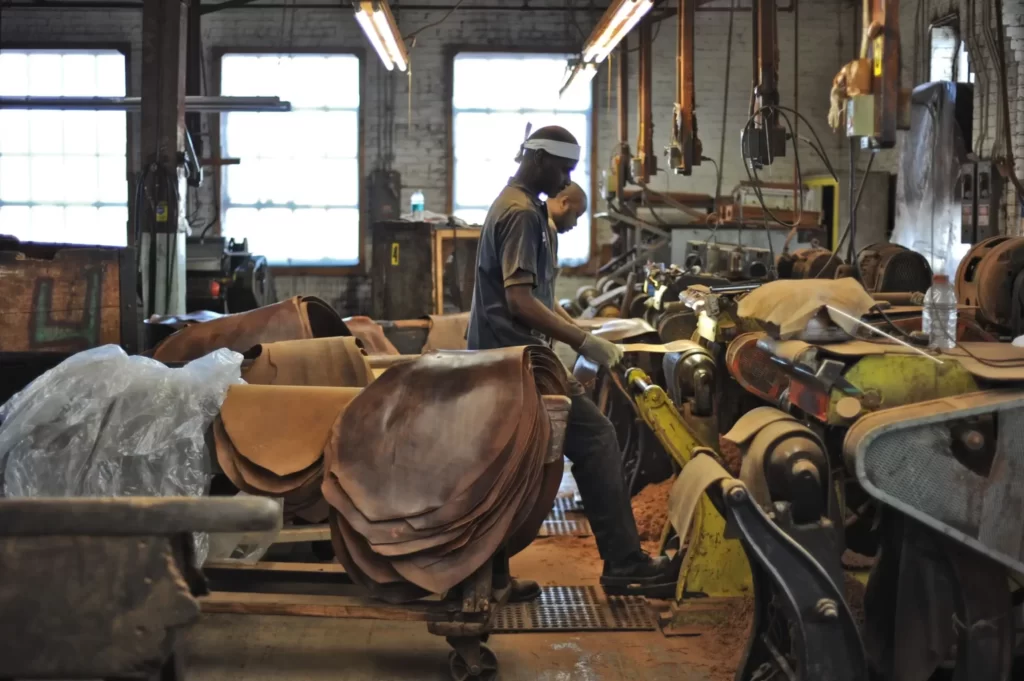
Behind the products are families who have crafted leather for decades. Knowledge is passed from parent to child, forming an intergenerational chain of skill, pride, and identity.
More than production, Dharavi represents community a place where artisans work in shared units, celebrate festivals together, support each other, and grow collectively. This unity shapes the authenticity of the dharavi leather identity.
A small case study could profile a family that has been stitching, cutting, and designing for three generations—symbolising resilience and collective growth.
A Shopper’s Ethical Guide to Dharavi Leather
Ethical shopping in the dharavi leather market requires awareness and responsibility. Here’s what mindful buyers should look for:
- Fair Wages: Supporting workshops that ensure proper compensation.
- Environmental Practices: Choosing artisans who follow eco-friendly dyeing and tanning.
- Animal Welfare: Ensuring leather is a by-product of the food industry.
- Safe Working Conditions: Supporting workshops with responsible labour practices.
- Community Growth: Purchasing from units that reinvest in local development.
Where to buy authentically:
- Direct workshops in Dharavi
- Verified retailers in Colaba, Crawford Market, and Fort
- Trusted online platforms
- Export houses connected to leather manufacturers in Dharavi
Planning Your Visit: The Dharavi Leather Experience
Visiting Dharavi offers a close look at one of Mumbai’s most skilled artisan communities. The area is known for its thriving dharavi leather market, where craftsmanship and tradition still guide everyday work. Travellers gain insight into a unique ecosystem that blends small workshops, family-run units, and age-old techniques. It’s an experience that highlights the city’s resilience and creativity.
Is a Tour Appropriate?
Respectful, educational tours can help visitors understand the dignity and complexity behind this industry. Avoid voyeuristic tourism; choose operators who support the community.
How to Reach Dharavi Leather Market
Dharavi is easily accessible via Mumbai’s local train network. The closest stations are Mahim and Sion—an area also popularly searched as the sion leather market. From there, travellers can take a short rickshaw ride. Limited parking makes public transport advisable.
What You’ll See & Do
Visitors can watch artisans shaping leather, understand the production process, and even customise products. The leather market dharavi lanes offer everything from raw materials to finished goods.
Leather Shopping Tips
- Bargain respectfully.
- Check authenticity and request bills.
- Stay hydrated—the lanes can be crowded.
- Consider custom designs from local artisans.
- Explore the traditional leather market clusters.
Book an educational and ethical tour with Magical Mumbai Tours, a trusted operator offering deep insight into the Dharavi leather workspace and craft culture.
Conclusion:
The leather market Mumbai ecosystem in Dharavi is far more than a commercial zone—it is a living story of innovation, heritage, and community pride. The leather market Mumbai reflects how a neighborhood can transform challenges into opportunity, and how artisans create world-class products with limited resources.
Every piece crafted here carries a narrative of perseverance. Exploring or supporting the leather market in Mumbai allows visitors to witness the spirit of Mumbai in its purest form.
Whether you’re browsing, learning, or supporting ethical craftsmanship, the Dharavi leather market invites you to see this neighborhood through a profound, human lens.