Mumbai doesn’t ease you in gently. The moment you step outside, the city hits you with the smell of the sea, the noise of the traffic, the sheer number of people living their lives at full volume. It’s overwhelming in the best possible way. And once you find your footing, you’ll understand why this place gets under people’s skin.
There are so many things to do in Mumbai that knowing where to start is half the challenge. This guide covers the city’s most iconic places from the Gateway of India to the lanes of Dharavi and gives you an honest picture of what each experience is actually like. Over 100,000 global travellers have explored Mumbai with Magical Mumbai Tours since 2016. Here’s what we’d tell every one of them before they arrived.
The Iconic Landmarks Every Visitor Should See
Mumbai’s most famous landmarks are famous for a reason. Each one tells a different chapter of the city’s story, which includes colonial history, spiritual life, architectural ambition.
The Gateway of India
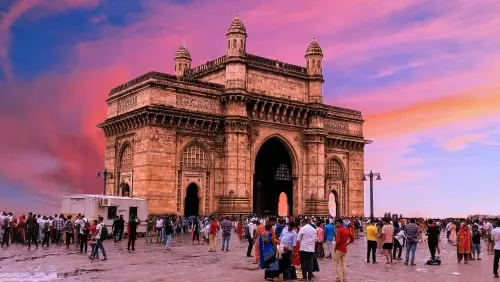
Built in 1924 in the Indo-Saracenic style, the Gateway of India is a 26-metre basalt arch that stands at the edge of the Arabian Sea in Colaba. It was built to mark King George V’s 1911 coronation visit to India and in 1947, it became the spot where the last British troops departed the country. Two chapters of history in one monument.
Come early in the morning and the atmosphere is calm. Fishing boats move across the water, the light is golden, and you can stand at the arch without a crowd pressing around you. Come in the evening and it’s a different scene entirely. This includes street food vendors, families, hawkers, the sea breeze picking up, and the whole waterfront lit warm. The morning gives you the monument; the evening gives you the city around it. The Gateway is also the boarding point for ferries to Elephanta Caves.
Chhatrapati Shivaji Maharaj Terminus (CSMT)
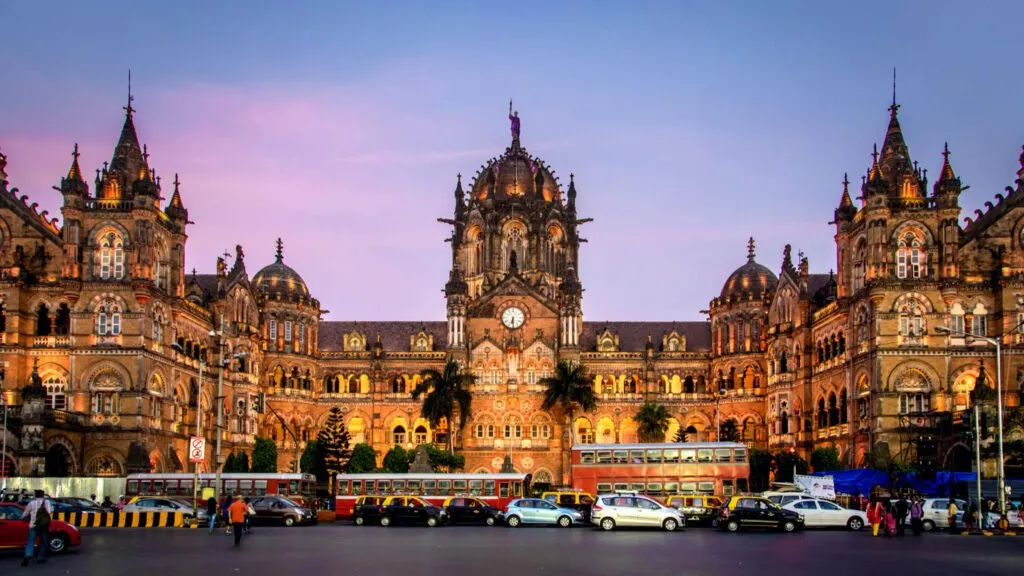
Most visitors walk past CSMT and assume it’s a government building. Look more carefully and you’ll see gargoyles crouched on the ledges, pointed Gothic arches, stained-glass windows, and a stone dome that would be at home in Victorian London. This is a railway station, a UNESCO World Heritage Site, built in 1878, where hundreds of thousands of commuters pass through every single day.
The collision of Victorian Gothic and Indian architectural detail is the point. The British built it to impress, and it still does. Visit at night when the facade is lit and the crowds have thinned. It’s one of the best free photography moments in the city.
Haji Ali Dargah

A narrow causeway stretches out from the Worli coastline, the Arabian Sea on both sides, leading to a white marble Sufi shrine on a small islet. That’s Haji Ali Dargah, built in 1431 over the tomb of the Muslim saint Haji Ali Shah Bukhari.
The walk out along the causeway at sunset is one of Mumbai’s most quietly memorable experiences. The marble is warm in the fading light, the sea moves on either side, and the air carries the sound of evening prayers. It’s open to visitors of all faiths, there’s no entry fee, and no booking required. The atmosphere is welcoming and the architecture alone makes it worth the walk.
Mumbai’s Best Coastal Experiences
Mumbai is a city built on and around water. The Arabian Sea shapes the place with its breezes, its light and its rhythms. These are the coastal experiences that give you that relationship directly.
Marine Drive – The Queen’s Necklace
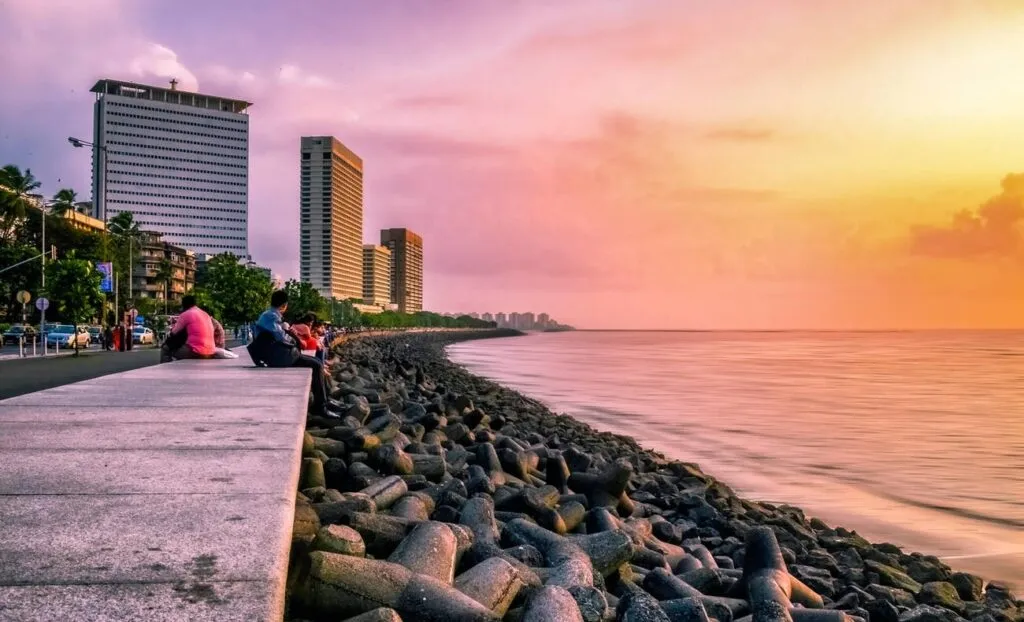
Marine Drive is a 3.6-kilometre promenade that curves along the Arabian Sea from Nariman Point to Girgaum Chowpatty. At night, the arc of street lights along the curve earns the nickname: the Queen’s Necklace. It’s one of Mumbai’s most recognisable views.
Three reasons to visit at three different times:
- come in the early morning for a quiet walk before the city wakes up
- come at sunset for the golden light on the water and the crowd gathering at the sea wall
- come in the evening when the lights are on and the city hums behind you.
Most Mumbaikars will tell you the sea wall at sunset with a paper cone of bhel puri in hand is the best free hour in the city. They’re right.
It’s fully walkable, free, and sits at the centre of South Mumbai. For most international visitors, it ends up being the first proper Mumbai experience.
Juhu Beach

Juhu is a 6-kilometre stretch of beach on the Arabian Sea, and it’s famous for two things: the view and the food. The beach itself is wide and lively with families, cricket matches on the sand, kids chasing the waves, vendors selling snacks from carts. The atmosphere is decidedly local, not resort.
The food is the reason most people come back. Pav bhaji (spiced vegetable mash served with buttery bread rolls), bhel puri (puffed rice with tamarind chutney, crispy sev, and chopped onion), pani puri, kulfi falooda: these are Mumbai classics, and Juhu’s stalls do them well. Go late afternoon and stay through sunset. The morning is quieter if you’d rather have the beach than the scene.
Elephanta Caves
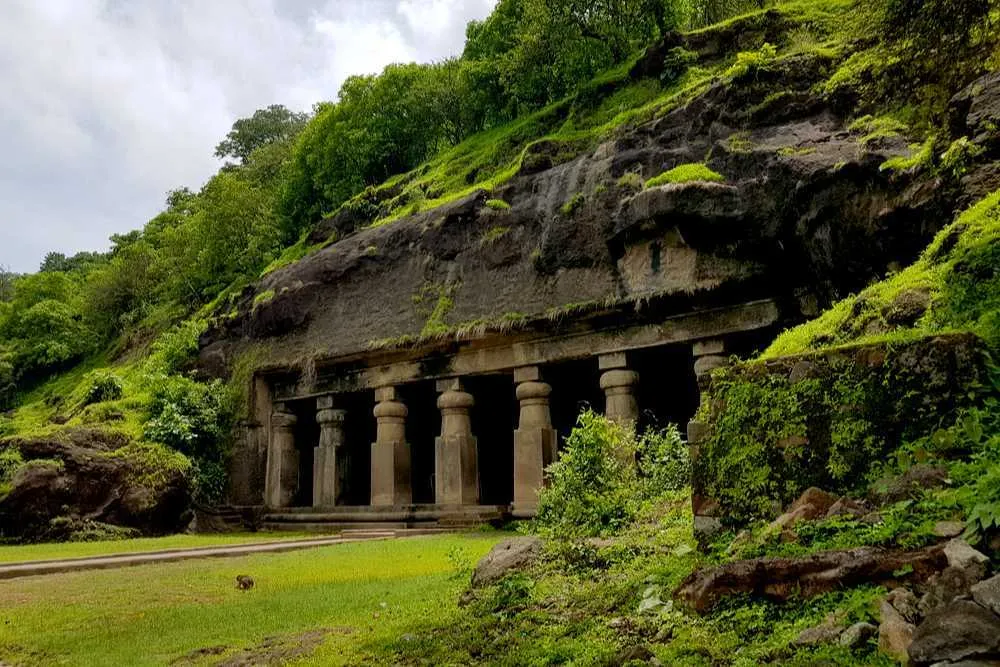
An hour’s ferry ride from the Gateway of India, through the Mumbai Harbour with fishing boats and seagulls for company, brings you to Elephanta Island. The journey is part of watching the city skyline shrink behind you and the island appear ahead.
The caves are a UNESCO World Heritage Site. Carved from basalt rock between the 5th and 8th centuries, they’re dedicated to Lord Shiva. The centrepiece is the Trimurti which is a 20-foot, three-faced sculpture of Shiva as creator, preserver, and destroyer.
The caves are closed on Mondays. Foreign nationals pay INR 600 entry. Allow at least half a day which includes the ferry, the climb, the caves, and the ferry back take time you’ll want. Magical Mumbai Tours runs a guided Elephanta Caves tour that covers the history and mythology in full and the stories behind the sculptures are as impressive as the sculptures themselves.
Culture, Heritage and History
Mumbai has been shaped by so many different communities, religions, and histories that no single section does it justice. These three experiences get closest.
Dharavi — More Than You’ve Been Told
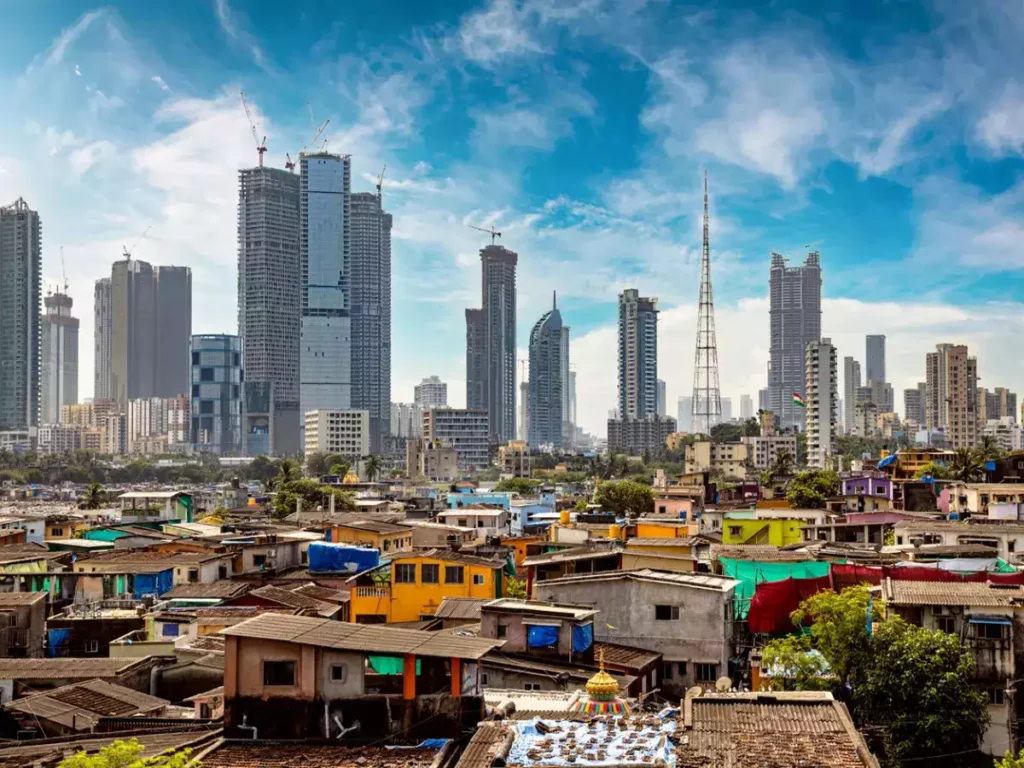
Before you read anything else about Dharavi, put aside the word “slum.” It doesn’t capture what this place actually is.
Dharavi is one of the most productive urban communities in Asia. Its industries include recycling, leather goods, pottery, bakery, embroidery, soap manufacturing, textiles. All these industries generate hundreds of millions of dollars in annual economic output. The recycling operations alone process materials from across the city. The leather goods produced here are exported internationally. When you walk through Dharavi on a guided tour, you’re walking through a functioning industrial community, not a poverty display.
The businesses are small-scale, family-run, and often generational. You can watch potters at work, see the recycling process from raw waste to sorted material, and buy goods directly from the people who made them. That’s the Dharavi most visitors don’t expect and the one that stays with them longest.
A guided tour is the only way to experience it properly. Community residents lead the tours to make it educational and respectful. It is built around showing you Dharavi as it actually is, not as Slumdog Millionaire framed it. Magical Mumbai Tours’ Dharavi tour is run with exactly that approach — if you’re going to see it, see it right.
Kanheri Caves and Sanjay Gandhi National Park
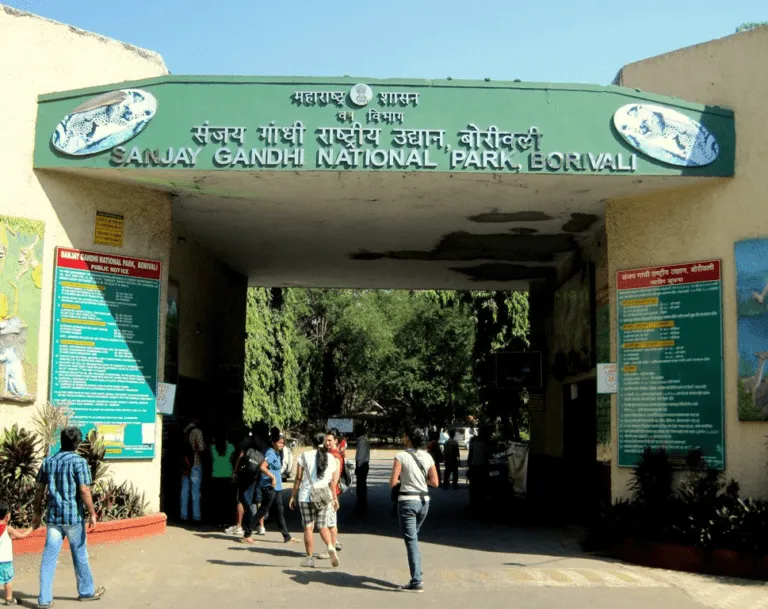
Inside a national park on the northern edge of the city, more than 100 Buddhist caves are cut into a single basalt hillside. Kanheri Caves span from the 1st century BCE to the 11th century CE – the largest collection of cave excavations from a single mountain anywhere in the world.
The setting surprises people. This isn’t a museum or an archaeological site behind glass. Iit’s a forest trail through dense green canopy, with caves opening off the path as you climb. You’ll hear birds and see the occasional monkey. The caves themselves hold carved pillars, Buddha figures, prayer halls, and stone water channels still intact after a thousand years.
Entry is INR 100 for foreign nationals. The caves are closed on Mondays. Combine the visit with a morning walk through the park itself. The contrast between the ancient caves and the living forest around them is the experience.
Kala Ghoda Art District

South Mumbai has a quieter, cooler side that most first-time visitors miss entirely. Kala Ghoda is a precinct of colonial buildings, art galleries, heritage cafés, and street murals clustered in a walkable area near the museum district. The architecture is Victorian, the energy is creative, and the pace is nothing like the rest of the city.
The Jehangir Art Gallery and the Dr. Bhau Daji Lad Museum are the main anchors and the latter is one of Mumbai’s finest museums, housed in a restored Victorian building with rotating exhibitions. Every February, Kala Ghoda hosts its annual arts festival, which is Asia’s largest urban arts festival, worth timing a visit around if you can. Outside of festival season, it’s one of the best neighbourhoods in the city for an unplanned afternoon. Magical Mumbai Tours’ city sightseeing tour passes through this district and your guide can point you to the streets and buildings that don’t appear in any guidebook.
Bollywood, Street Food and the Mumbai Nobody Talks About
Not everything iconic about Mumbai is old. The city’s film industry and its food culture are both living, constantly moving things.
Bollywood Studio Tour
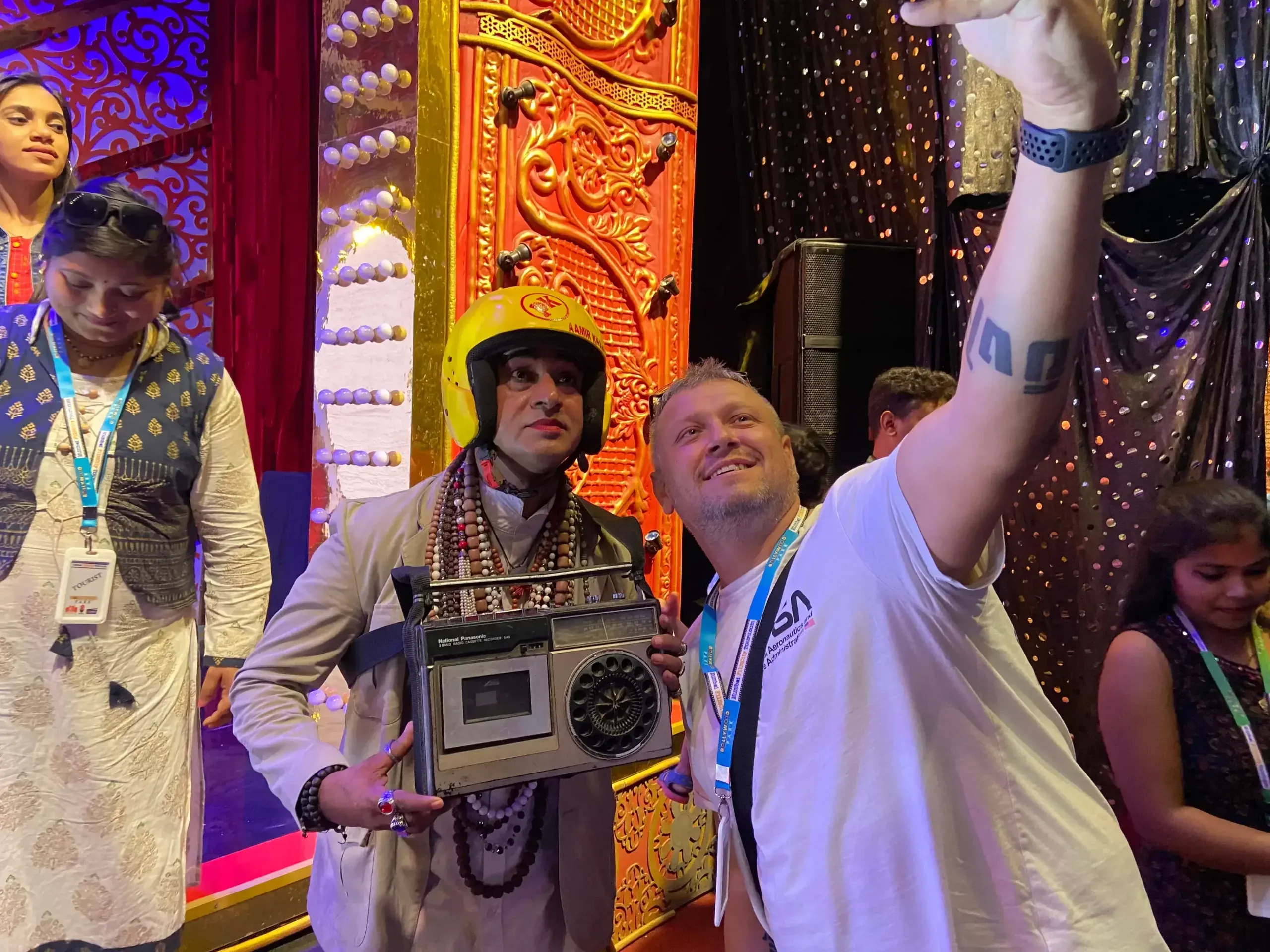
India produces more films each year than any other country in the world. The industry is based here in Mumbai, and its centre is Film City, a 520 acres in Goregaon with 16 indoor studios and 42 outdoor sets. Sholay was filmed here. Devdas was shot on these sets. Some of the most-watched television in South Asia is still made here every week.
A guided studio tour takes you inside the sets, past crew members setting up shots, into spaces that have stood in for temples, courtrooms, gardens, and forests in films most of the world has never heard of but a billion people have seen. The behind-the-scenes detail such as dubbing rooms, editing suites, the craft of building worlds from plywood and paint is what makes the tour worthwhile. Without a guide, you’d walk through without understanding any of it. Magical Mumbai Tours’ Bollywood tour covers all of this, with guides who know which sets are active and which stories are worth stopping for.
Mumbai Street Food — What to Try and Where

Eating street food in Mumbai isn’t a side activity. It’s a cultural education.
Start with vada pav, a spiced potato fritter in a soft bun, served with green chutney and dry garlic chutney. It’s Mumbai’s signature street snack and costs next to nothing. Then try pav bhaji: a thick, buttery vegetable mash served with toasted bread rolls, eaten at a shared counter with strangers on either side of you. Bhel puri is the one to eat at the sea wall: puffed rice, tamarind chutney, chopped onion, crunchy sev, all tossed together and handed to you in a paper cone. Pani puri rounds it out which are crispy hollow shells filled with spiced water, eaten in one bite.
Where to go: Juhu Chowpatty for bhel puri and kulfi falooda as the sun goes down. Girgaum Chowpatty for pav bhaji at the seafront. Mohammed Ali Road for kebabs, mawa jalebis, and the evening energy that builds after dark especially during Ramzan.
One note for first-timers hesitant about street food: go to the stalls with the longest queues. A line of locals is the clearest possible signal that the food is good and the turnover is high.
Best Time to Visit Mumbai
Mumbai is a year-round destination, but the experience changes with the seasons. Weather can strongly affect sightseeing, walking tours, and outdoor attractions.
October to February (Best Season)
- Pleasant weather: 18°C to 32°C
- Lower humidity and clear skies
- Best time for outdoor attractions like:
- Marine Drive
- Juhu Beach
- Elephanta Caves
- Kanheri Caves
- Peak tourist season, so book hotels and tours early
March to May (Summer)
- Temperatures can exceed 35°C
- Fewer crowds and lower prices
- Best for budget travellers comfortable with heat
June to September (Monsoon)
- Heavy rain and occasional flooding
- Green landscapes and dramatic coastal views
- Monsoon at Marine Drive is especially atmospheric
- Carry rain protection and expect delays
How a Guided Tour Changes Everything?
Magical Mumbai Tours started as a local, family-run operation Mumbaikars who wanted to show their city honestly, without the tourist-trap shortcuts. That’s still what it is today. The guides grew up here. They know which street food stall has been run by the same family for thirty years, which lane changes character after dark, and how to get you into Dharavi without making anyone inside feel like a spectacle.
Good guides give you the context that makes places mean something such as why this building was built, who lived in this neighbourhood and what this market was before it became this market. That context is what separates a day of sightseeing from a day of actually understanding a city.
Magical Mumbai Tours is rated #1 on TripAdvisor with 900+ reviews and a TripAdvisor Excellence Award. We are trusted by 100,000+ global travellers since 2016. Our guides are local Mumbaikars: English-speaking, knowledgeable, and genuinely enthusiastic about the city they live in. Every tour includes an English-speaking guide, AC vehicle, and hotel pickup and drop, no logistics, no guesswork, just the city.
Every booking also supports Magical Homes, our initiative for Mumbai’s homeless elderly community. Your tour gives something back.
Mumbai Tours available:
- Mumbai City Sightseeing Tour— the landmarks, the history, the full city picture
- Dharavi Tour — the community, the industries, the real Dharavi
- Elephanta Caves Tour — the ferry, the caves, the ancient sculptures
- Bollywood Tour— Film City, the studios, the stories behind the screen
- Mumbai Food Tour — the markets, the stalls, the street food that defines the city
Frequently Asked Questions
1. What are the most famous places to visit in Mumbai?
The Gateway of India, Marine Drive, Elephanta Caves, Chhatrapati Shivaji Maharaj Terminus (CSMT), Haji Ali Dargah, and Dharavi are among the most visited spots in the city. For first-time visitors, these cover Mumbai’s colonial history, its coastal identity, its ancient heritage, and its contemporary urban life in a single itinerary.
2. How many days do you need to explore Mumbai properly?
Three days gives you a solid introduction, enough for South Mumbai’s landmarks, a day trip to Elephanta or Kanheri Caves, and an evening on Marine Drive or at Juhu Beach. With five days, you can add Dharavi, Bollywood, Kala Ghoda, and the street food circuit. If you’re on a one-day layover, a guided city tour is the most efficient way to see the highlights without logistics eating your time.
3. Is Mumbai safe for international tourists?
Yes. Mumbai is a well-travelled international city with a strong tourism infrastructure. As with any major city, standard precautions apply as watch your belongings in crowded markets, use reputable transport, and avoid isolated areas after dark. Most international visitors find Mumbai welcoming and manageable, especially with a local guide who knows the city well.
4. What is the best time to visit Mumbai?
October to February. The weather is dry, temperatures are comfortable for outdoor sightseeing, and all major attractions are fully accessible. December and January are the peak months so book accommodation and tours in advance if you’re visiting then.
5. What is the best way to get around Mumbai as a tourist?
For sightseeing, a private car with a guide is the most practical option. Mumbai’s traffic is significant and the attractions are spread across the city. Taxis and Uber are reliable for shorter journeys. The metro is clean and air-conditioned, good for specific routes, though navigating it independently takes some familiarity. A guided tour handles all transport logistics for you, which is why most first-time visitors find it the easiest and most enjoyable way to see the city.