
Most visitors to Mumbai come for the Gateway of India, the chaos of Crawford Market, and the sunset at Marine Drive. Dharavi rarely makes the shortlist. That’s a mistake. Dharavi is a working community generating over $1 billion a year across 20,000+ micro-enterprises through leather, pottery, recycling, textiles, food. All operating within 2.5 square kilometres in the heart of the city. This guide covers the best things to do in Dharavi, what to expect on the ground, practical tips for your visit, and how to book a guided tour with Magical Mumbai Tours.
Why Dharavi Belongs on Your Mumbai Itinerary?
No other place in Mumbai puts the city’s economic engine in plain sight. Dharavi’s 20,000+ micro-enterprises generate an estimated $1 to $1.5 billion annually, according to Business Today’s 2026 economic report on the area. That figure comes from leather workshops, pottery kilns, recycling units, bakeries, soap factories, and dozens of other industries, most of them operating out of spaces smaller than a studio apartment.
As of 2026, Dharavi is in the early stages of a significant redevelopment. What the neighbourhood looks like today with workshops, lanes, street-level industry will look very different in ten years. Visiting now means seeing it while it still runs this way.
Dharavi’s lanes are a genuine maze. Without local knowledge, you’ll circle the same block and miss the industries entirely. Magical Mumbai Tours’ guides are from Mumbai, briefed on the community, and know exactly which workshops are open, what’s worth stopping for, and how to move through the area respectfully.
8 Things to Do in Dharavi to Experiences Worth Every Step
1. Join a Guided Walking Tour
The most important of all things to do in Dharavi: everything else on this list is better because of it. Magical Mumbai Tours runs both group and private options. Group tours work well for solo travellers and couples; private tours suit families or anyone who wants to set their own pace and ask more questions.
Local, English-speaking guides lead every tour. They know Dharavi because they’re from Mumbai, not because they’ve read about it. Magical Mumbai Tours is rated #1 on TripAdvisor with 900+ reviews from international visitors.
2. Visit Kumbharwada— Asia’s Oldest Living Pottery Colony
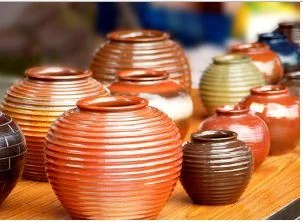
Kumbharwada is one of the most specific and remarkable places to visit in Dharavi. The colony was established in the 1930s by Kumbhar potters from Gujarat, and the families working here today are often third or fourth generation. They still shape clay by hand on spinning wheels, drying pots in the open air before firing.
Over 1,000 families depend on Kumbharwada today, producing diyas, crockery, and decorative pieces for markets across India. Watching it in person, the pace, the precision, and the generations of muscle memory is one of those things that travel writing consistently undersells.
3. Explore the Dharavi Leather Market and Koliwada Road
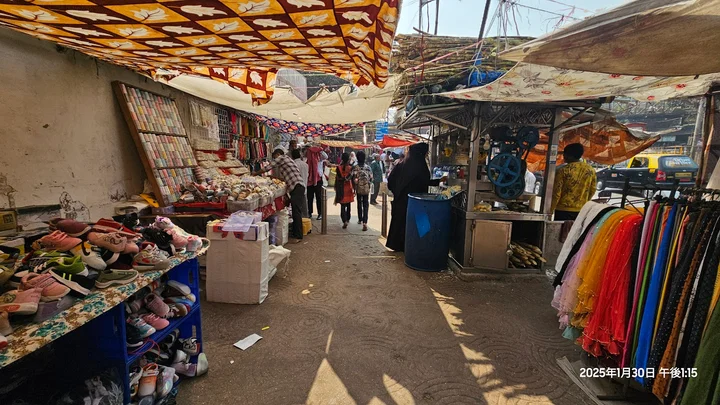
The Dharavi leather market along Koliwada Road is one of Asia’s largest informal leather manufacturing zones. Over 5,000 small producers make bags, wallets, jackets, belts, and saddles here, much of it destined for export. The Koliwada Road belt alone generates roughly ₹250 crore annually, according to Business Today.
Visitors see the full production process: hides being treated, cut, stitched, and finished within the same compact workshop. If you want to buy, you’re buying directly from the maker. There’s no obligation, but it’s one of the few places in the world where that transaction is still possible.
4. See the Recycling Industry in Action
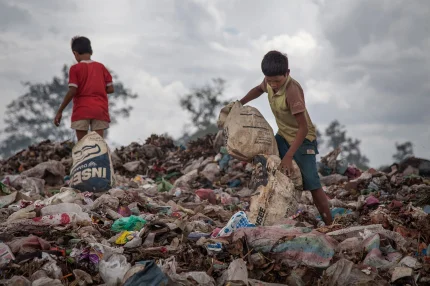
Dharavi processes roughly 80% of Mumbai’s dry waste such as plastic, aluminium, cardboard, and more. This employs between 10,000 and 12,000 workers directly in recycling operations. Walking through this part of the neighbourhood is one of the most counterintuitive things to do in Dharavi: a community with limited infrastructure running a city-scale circular economy long before that phrase existed.
Workers sort, clean, and repurpose material brought in from across Mumbai. Nothing is ceremonial about it. This is a working operation, and watching it runs entirely counter to the impression most visitors arrive with.
5. Walk 90 Feet Road-Dharavi’s Main Street
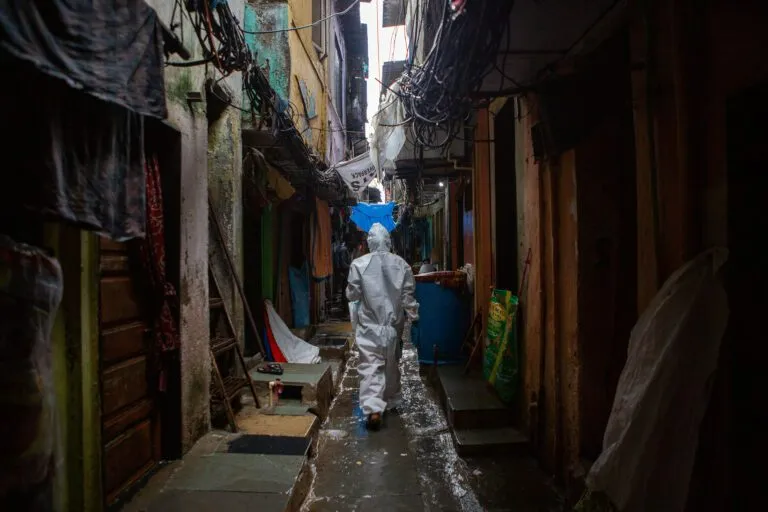
If Dharavi has a main street, 90 Feet Road is it. Soap factories, leather shops, spice vendors, bakeries, and chai stalls compete for space along its length, while auto-rickshaws and delivery bikes weave between them. This is the Dharavi market experience without any staging. It is the actual commercial rhythm of a neighbourhood that supplies products to the rest of the city.
60 Feet Road runs parallel and is quieter. Better for watching residential life, smaller craft workshops, and the kind of daily domestic detail that gets missed on the main road. Walk both if time allows.
6. Try the Street Food
Dharavi has the same street food culture as the rest of Mumbai, starting before dawn. Idli and filter coffee units supply vendors across the city from early morning. Vada pav, samosas, and chai are available through most of the day. Some Magical Mumbai Tours experiences include a street food stop, ask when booking if this matters to you. The food is fresh, good value, and eaten the way locals eat it: standing up, moving, no ceremony.
7. Explore Maharashtra Nature Park
One of the least-known places to visit in Dharavi, Maharashtra Nature Park sits opposite the Dharavi bus stop and is worth an hour if you’re combining a morning tour with some time to decompress. The park was a municipal garbage dump until 1994 but today it holds over 12,000 trees and more than 100 bird species. A former landfill, now a functioning urban forest. It’s a detail that says something about the neighbourhood.
8. Catch a Festival or Cultural Moment
Dharavi is home to Hindu, Muslim, and Christian communities. It has temples, mosques, and churches stand within metres of each other across the same lanes. Diwali, Eid, Ganesh Chaturthi, and Holi are all celebrated here with the kind of communal energy that doesn’t happen in any other neighbourhood in Mumbai. If your visit coincides with any of these, leave the itinerary loose.
The Dharavi Biennale, also known as the Alley Galli Biennale, is an annual street art festival that brings contemporary artists and local youth together across the lanes. Check whether it falls during your stay, if it does, build your day around it.
Practical Tips for Visiting Dharavi
Here are the practical tips that will help you in your trip to Dharavi-
Best time to visit:
Morning, between 8am and 11am. The workshops are most active, the lanes are manageable before the midday heat, and the light is better. Avoid the early afternoon.
How to get there:
The nearest train stations are Mahim Junction (western railway line) and Sion (central railway line). A short auto-rickshaw ride from either gets you to the neighbourhood. Parking is extremely limited; public transport is the right call.
What to wear:
Closed-toe shoes are essential. The lanes are uneven, and during monsoon season (June to September) they get wet and muddy. Wear modest clothing out of respect for residents: avoid shorts, sleeveless tops, or anything that draws unnecessary attention.
Pack light:
A water bottle. Leave valuables at the hotel. A small, comfortable bag is all you need.
Dos:
Follow your guide’s lead. Greet people naturally. Ask questions, the guides are there to explain.
Don’ts:
Don’t wander off independently; the lanes are disorienting even for regular visitors. Don’t treat residents as subjects for photography without understanding the etiquette. Ask your guide about what’s appropriate before the tour begins.
Monsoon note:
Tours run year-round, but from June to September expect damp lanes and stronger smells. Slip-resistant, closed-toe footwear is especially important.
Book a Dharavi Tour with Magical Mumbai Tours
Magical Mumbai Tours offers two formats for exploring Dharavi: a group tour for individuals, couples, and solo travellers, and a private Dharavi tour for families and small groups who want a personalised experience. Both are led by local English-speaking guides who know the neighbourhood well and guide with genuine context, not a rehearsed script.
If you want more of the city in one day, the Mumbai City Sightseeing and Dharavi tour combines the community walk with Mumbai’s landmarks – the Gateway of India, colonial architecture, and more into a full-day itinerary.