
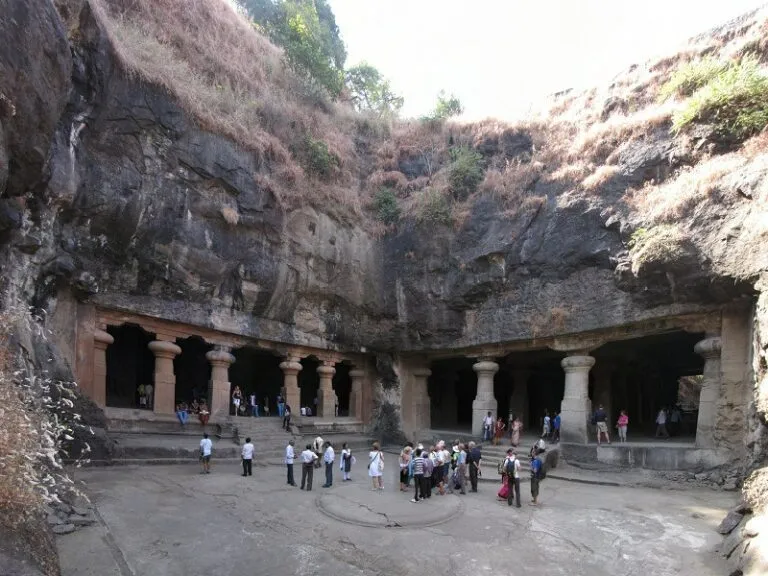
The Elephanta Caves, a UNESCO World Heritage Site, are a must-visit destination for history buffs, art enthusiasts, and travellers exploring Mumbai. Recognised for their outstanding cultural value, these caves represent a remarkable chapter in India’s artistic and spiritual history. Situated on Elephanta Island, these ancient rock-cut caves boast intricate sculptures and breathtaking architecture, offering a glimpse into India’s rich cultural heritage. To make your visit seamless, here’s everything you need to know about ferry timings, ticket prices, and additional travel tips.
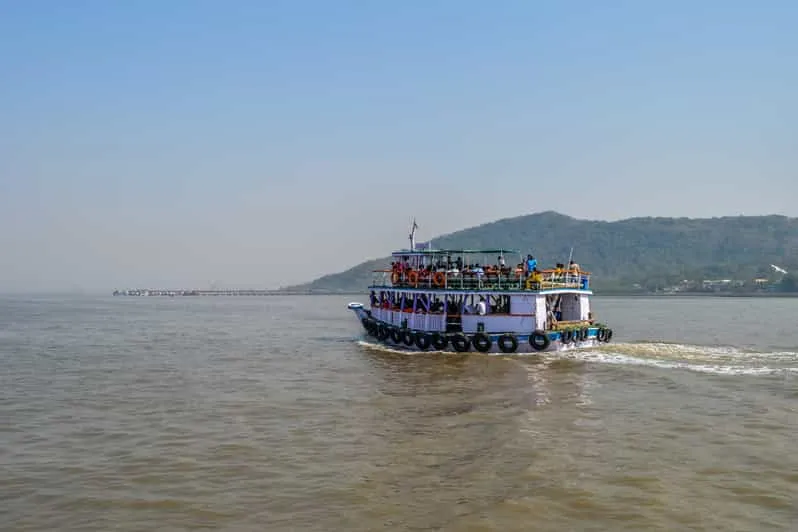
Elephanta Caves Ferry Timings and Price
The ferries to Elephanta Caves operate daily from Mumbai’s Gateway of India, offering a scenic journey to the island. Elephanta Caves ferry timings start from 9:00 AM, with prices around INR 160 for Indians and INR 260 for foreign tourists.
The ferries run at regular intervals throughout the day, with departures approximately every 30 minutes. The total journey from the Gateway of India to Elephanta Caves takes about an hour, offering breathtaking views of the Arabian Sea and Mumbai’s iconic skyline. It’s best to arrive early, especially on weekends or holidays, as the queues for tickets and boarding can get quite long.
First Ferry: Departs at 9:00 AM from the Gateway of India.
Last Ferry to the Island: Leaves at 2:00 PM.
The Last Ferry from the Island departs at 5:30 PM, ensuring visitors have ample time to explore the caves and surroundings.
The journey to Elephanta Island takes approximately one hour. The ride may take slightly longer during the monsoon season due to weather conditions. If you prefer a more relaxed visit without large crowds, consider boarding the day’s first ferry. Early arrival not only provides cooler weather but also gives you plenty of time to enjoy the caves before they get busy.
Additionally, private tours to the Elephanta Caves offer flexible pick-up times at 8:00 AM, 9:00 AM, 10:00 AM, and 11:00 AM, allowing you to choose a time that best suits your schedule. These tours generally last 5-6 hours and comprehensively explore the caves’ rich history and art.
Keep in mind that ferries run on a first-come, first-served basis. Once you’ve explored, you can board any ferry heading back to the Gateway of India before the last departure.
Ferry Ticket Prices
If you’re planning a trip to the historic Elephanta Caves, it’s important to know the ferry ticket prices and additional costs before you go. The ferry ride itself is part of the adventure, offering stunning views of the Mumbai skyline and the Arabian Sea. The ferry to Elephanta Caves operates regularly from the Gateway of India and takes about an hour each way. Many travellers consider the ferry to Elephanta Caves not just transportation, but an essential part of the overall experience, giving a glimpse into Mumbai’s coastal charm before reaching the UNESCO World Heritage site.
| Item | cost |
| Ferry from Gateway of India to Elephanta (2way) | Rs260 ( about USD3) |
| Entry ticket (Indian citizens + Visitors from SAARC and BIMSTEC countries) | Rs 40 |
| Entry ticket (Visitors from other countries) | Rs 600 ( about USD 7.5 ) |
| Entry ticket (Children under 15) | free entry |
| Still Camera Fee | Free |
| Vedio | Rs25 |
| Guide fees (optional) | Rs 500 to Rs800 |
| Local travel | Try Mumbai suburban trains to CST or Churchgate. It’s cheaper, faster and crowded. BEST bus can drop you at Gateway of India. Or take taxi & cabs (relatively expensive) |
| Others | Food, water, sacks & Beer ( they are moderately expensive at the island (tourist price! ) |
- Check the Elephanta ferry timings in advance to plan your departure from the Gateway of India without delays.
- Review the Elephanta caves ferry price so you can carry the correct fare and avoid last-minute confusion.
- Try to board the first ferry to Elephanta caves in the morning for a relaxed and crowd-free experience.
- Many visitors treat the ferry to Elephanta caves as part of the sightseeing experience, thanks to the sea views and Mumbai skyline.
Elephanta Caves Timing
Before you begin, it helps to understand the Elephanta caves timings so you can plan the visit comfortably without rushing. The caves remain open between 9:00 AM and 5:00 PM and stay closed on Mondays for maintenance. Aligning your ferry schedule and arrival with these timings ensures you have ample opportunity to explore the site with ease.
Embark on a private tour of the Elephanta Caves with Magical Mumbai Tours and immerse yourself in ancient India’s rich history and mythology. This 5-6 hour tour, available from Tuesday to Sunday, offers you a chance to explore the stunning caves that date back to the 5th century BC. Choose from convenient pick-up times at 8:00 AM, 9:00 AM, 10:00 AM, or 11:00 AM. As you walk through the caves, you’ll learn about Hindu mythology, especially the powerful presence of Lord Shiva. This exclusive experience lets you discover one of Mumbai’s most treasured historical sites at your own pace.
Elephanta Caves Tickets
Before boarding the ferry, you can buy Elephanta Caves tickets at the Gateway of India ticket counter or online. The entry fee is ₹40 for Indian citizens and visitors from SAARC and BIMSTEC countries, while foreign tourists pay ₹600 for Elephanta Caves tickets. Children below 15 years can enter for free.
A video camera pass costs ₹25, and still photography is free. Tickets can also be purchased at the island entrance after your ferry ride to Elephanta Caves. It’s advisable to carry cash, as card facilities may not always be available at the ticket counters on Elephanta Island.
Guided Tours and Packages
For a hassle-free experience, consider booking a guided tour that includes ferry tickets and expert commentary. Several tour operators offer packages that cover:
- Round-Trip Ferry Ride: Comfortable transport to and from the island.
- Guided Tour: Insights into the history, architecture, and significance of the caves.
- Additional Attractions: Some tours include visits to other Mumbai landmarks, providing a well-rounded experience.
Conclusion
Embarking on a journey to Elephanta Caves tour promises an unforgettable experience steeped in history and architectural marvels. By familiarising yourself with transportation options, timing your visit wisely, and packing appropriately, you can maximise your exploration of these ancient wonders. So, gear up for an adventure-filled excursion to Elephanta Caves and immerse yourself in the rich heritage of India’s past.
For an immersive exploration of Mumbai’s rich heritage, consider including a private tour of the Kanheri Caves and a comprehensive Mumbai tour in your itinerary. These experiences offer deeper insights into the city’s history, architecture, and cultural diversity, complementing your Elephanta Caves Tour Mumbai visit.
FAQs
1. Are Elephanta Caves ferry timings and prices different on Sunday?
Ferry services usually follow the same schedule on Sundays, but demand is higher due to weekend visitors. Checking the Elephanta caves ferry timings and prices Sunday in advance helps you plan better. Arriving early ensures you avoid long queues at the Gateway of India.
2. Is Elephanta Caves ferry tickets online booking available?
Yes, travellers often look for Elephanta Caves ferry tickets online booking to avoid standing in line. While some options may be available, many visitors still purchase tickets directly at the counter. We assist our guests by guiding them on the correct Timing and price before departure.
3. Where can I find the Gateway to Elephanta Caves ferry timetable price?
You can check the Gateway to Elephanta Caves ferry timetable price at the ticket counter near the departure point. The schedule is displayed clearly for visitors planning their trip. Knowing this information helps you align your Elephanta Caves visit smoothly.
4. How does Elephanta Caves ferry ticket booking work?
Elephanta Caves ferry ticket booking is usually done at the Gateway of India before boarding. Tickets are issued for return journeys as well, making it convenient for travellers. We ensure our visitors understand the process, Timing, and price in advance.
5. What is the Gateway of India to Elephanta caves ferry distance?
The Gateway of India to Elephanta caves ferry distance is approximately 10 kilometres by sea. The journey takes about one hour depending on water conditions. This scenic route is considered an essential part of the Elephanta experience.
6. Does the Elephanta Caves ferry run in monsoon?
The Elephanta Caves ferry in monsoon may be affected due to rough sea conditions and safety guidelines. Services can be delayed or temporarily suspended depending on weather alerts. It is advisable to check the ferry Timing and price updates before planning.
7. What are the Elephanta caves ferry timings and price?
The elephanta caves ferry timings and price generally remain consistent throughout the week. Ferries start in the morning and run until early afternoon, with return options in the evening. Ticket prices are reasonable and include the round trip journey.