
Dharavi is more than just a slum; it is a symbol of resilience, industry, and community in the heart of Mumbai. Known for its narrow lanes, bustling small-scale industries, and tight-knit neighborhoods, Dharavi tells the story of survival, creativity, and entrepreneurship. For anyone curious about the city, understanding Dharavi is essential. From its colourful informal economy to the challenges faced by its residents, there are many Dharavi slum facts that make this place a unique part of Mumbai’s identity.
What Is Dharavi?
Dharavi is often described in simple terms as a slum, but it is so much more than that. Home to over two million people, this dense neighborhood is a hub of small industries, artisans, and migrant workers. While some think of Dharavi in terms of poverty or struggle, others see it as a thriving micro-economy and a testament to human ingenuity. There are countless facts about Dharavi that reveal the diversity, skills, and spirit of its residents, making it a critical part of Mumbai’s social and economic landscape.
From Origins to Impact: Why Dharavi Is So Special to Mumbai
Poverty, struggle, leather, pollution, crime, and Mumbai are some common words that people mention when talking about Dharavi. Featured in Globally hit movies like Slum Dog Millionaire, the Dharavi Slum is famous for the birth of many rags-to-riches stories in India.
Dharavi has built a renowned name across the Globe but many don’t actually know the true origins and growth of Dharavi. Questions like, What is Dharavi? What made the slum grow so big? What sets it apart from other slums? etc remain unanswered for many. That’s why we provide private and group Dharavi slum tour packages to educate you about the details of Dharavi. The aim of this post is to give you a gist about Dharavi and how it has evolved over time!
The Origins of Asia’s Largest Slum

Dharavi, often referred to as Asia’s largest slum, has a history that stretches back to the 1880s. Its story is closely linked with Mumbai’s growth, reflecting the city’s industrial development and colonial past. Covering just 2.1 square kilometers, Dharavi is home to over 2 million migrant workers and artisans, all contributing to life in India’s financial capital.
Here’s a closer look at Dharavi’s origins and early development:
Colonial Beginnings (1884–1887):
Dharavi was officially established in 1884 during the British colonial era to accommodate industries that were considered polluting and needed to be located away from the main city. The leather tannery industry, one of the first to move here in 1887, played a key role in the area’s early development.
Early Settlers:
The first residents included tannery workers and a Gujarati community of potters known as Kumbhars. These early communities laid the foundation for Dharavi’s industrious and entrepreneurial spirit, which continues today.
Migrant Workforce:
Mumbai’s growth attracted workers from all over India, making Dharavi a melting pot of cultures and skills:
- Potters from Saurashtra
- Embroidery workers and artisans from Uttar Pradesh
- Muslim leather tanners
- Workers from Tamil Nadu and other regions
Rise of Small Industries:
As more people settled in the area, small-scale industries, workshops, and home-based businesses flourished. Over time, Dharavi became a self-sustaining economic hub, known for its creativity and enterprise.
Community and Infrastructure:
While the area developed organically, basic infrastructure like sanitation, water supply, and roads did not always keep pace with population growth. Despite these challenges, the residents of Dharavi have built a resilient and vibrant community.
The Rise of an Informal Economy
With no government support, even post-independence Dharavi still grew exponentially and soon evolved into a city of its own. Dharavi developed into a secular, industry-driven, and slum-dwelling economic powerhouse with multiple generations of a family living in the same house following the same profession. The slum got divided into 2 parts with 1/4th of the land being dedicated to polluting industries like leather tanning, plastic recycling, etc which the Slum thrives upon. The remaining 3/4th was allotted for residential purposes cluttered with shacks interconnected by narrow lanes that have designed the unofficial map of Dharavi.
The surrounding areas were soon turned into dumping grounds which defined the border of the slum. As the city of Bombay thrived and grew over the years, Dharavi continued to grow as a hub for migrants to find their place in the city of dreams. The Slum evolved into an unregularized economy of its own untouched by the government and the city which surrounded its borders.
Dharavi and Mumbai – A Love Hate Relationship
Dharavi has always had a unique and complex relationship with Mumbai. While it sometimes receives limited attention from authorities, it has sustained itself for decades and played a key role in the city’s growth. The slum has also gained global recognition through films like Slumdog Millionaire and numerous online features, highlighting its industrious spirit.
A significant portion of Mumbai’s workforce comes from Dharavi, supporting the city’s ever-growing demands. Today, Dharavi is home to more than 20,000 small and micro-scale industries, including pottery workshops, leather production units, plastic and metal recycling, embroidery workshops, and many other businesses. The goods produced here are not only sold across India but also exported to Europe, the Gulf, and the United States. Collectively, these industries provide employment to over 2,50,000 people, making Dharavi an important contributor to Mumbai’s economy.
Education has also seen encouraging progress in Dharavi. Private, government, and NGO-run schools operate within the community, nurturing talented minds and encouraging entrepreneurship. Life in Dharavi comes with its challenges, but the community demonstrates remarkable resilience. This balance of Dharavi as both an economic powerhouse and a community facing everyday challenges. This captures the city’s love-hate relationship with this remarkable neighborhood.
How can you experience life in Dharavi?
You don’t need to be a Mumbai local to experience the beauty and struggles of Dharavi. A wide range of cultures, art, and traditions can be found when exploring the unpleasant yet beautiful lanes of the Slum. At Magical Mumbai tours, we offer detailed private and group Dharavi slum tour packages to help you experience Dharavi’s fast-paced life and understand Bombay, and history of Dharavi. Our local and English-speaking guides guarantee a safe and thrilling experience of life in one of the largest slums in the world. So call us today to book your Mumbai City Tour with us and explore Dharavi’s narrow lanes.
The history of this place has shaped this extraordinary, vibrant community, making it an essential part of Mumbai’s rich tapestry. Whether you’re interested in the history of Dharavi or want to explore Dharavi in Mumbai, there’s much to learn and experience in this unique area.
Challenges and Realities of Life in Dharavi
Life in Dharavi comes with its unique challenges. Many workers in leather and recycling units operate in basic conditions, often without adequate protective gear. Some food stalls and small eateries are located near industrial areas, and access to sanitation can be limited in parts of the community. While efforts have been made to improve infrastructure, occasional delays in development projects mean that residents continue to adapt to daily living conditions with resilience and resourcefulness.
Education and Innovation
Despite hardships, Dharavi has made remarkable strides in education. The literacy rate is over 70%, making it one of the most literate slums in India. Numerous private, government, and NGO schools nurture talented minds, some of whom have represented India on global platforms. Dharavi has also become a hub of innovation, with many entrepreneurs inventing and patenting new machinery and processes, particularly in recycling and small-scale manufacturing.
Dharavi’s Future – Between 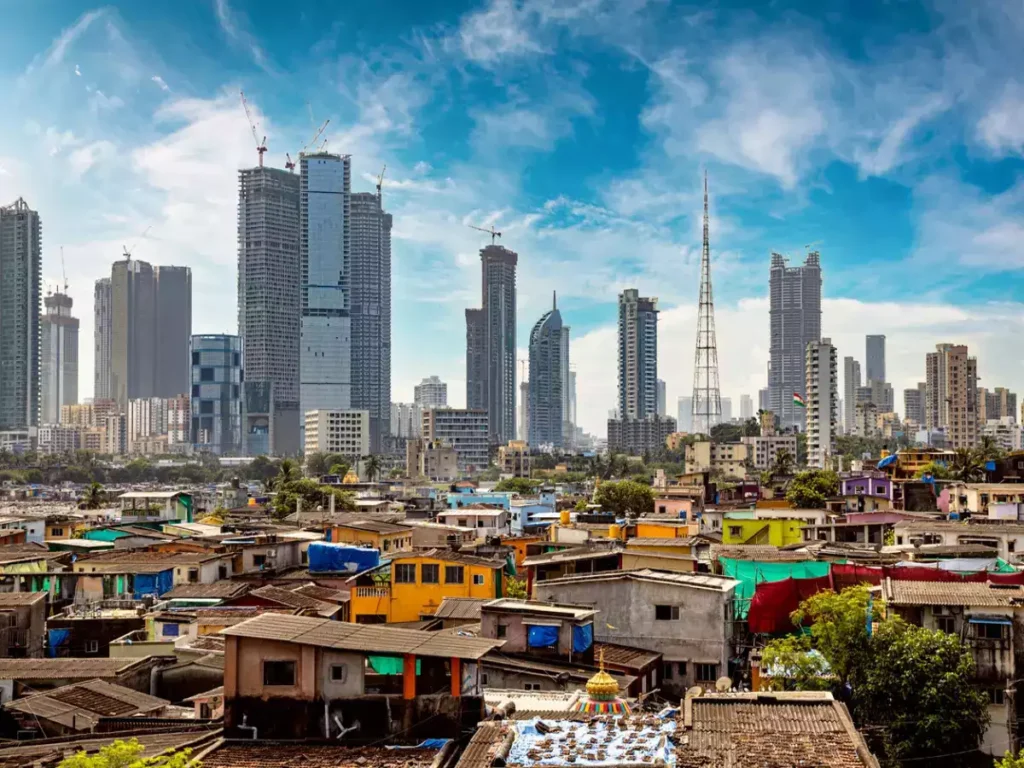 Development and Preservation
Plans for Dharavi redevelopment aim to transform the slum into a modern township, raising living standards and providing better infrastructure. However, redevelopment must balance improvement with the preservation of livelihoods. The potential Dharavi transformation could displace families and disrupt the thriving informal economy, which currently supports tens of thousands of people. Thoughtful planning is needed to ensure progress does not come at the cost of the community’s identity and sustainability.
Conclusion
The history of Dharavi is a story of resilience, ingenuity, and community. From its origins as a colonial industrial hub to becoming Asia’s largest slum, Dharavi remains vital to Mumbai’s economy, culture, and social fabric. Understanding its Dharavi slum history, industries, and challenges helps visitors appreciate the city beyond its skyscrapers and beaches. Through guided tours, such as those offered by Magical Mumbai Tours, you can safely explore Dharavi, experience its vibrant lanes, and witness the remarkable lives of its residents.