
Understanding Dharavi: Size and Scale
Let’s start with the numbers, and they are nothing short of staggering. Dharavi Mumbai is home to over one million residents, all living within a mere 2.39 square kilometres, an area smaller than one square mile. To truly grasp this density, consider this: imagine squeezing the entire population of a major European city into an area the size of Monaco. That is the reality of Dharavi. But to label it merely as crowded is to miss its true nature. Beyond the initial impression of density lies a remarkably organized urban ecosystem. Dharavi is a maze of narrow lanes, multi-story homes, and countless tiny workshops where families and businesses thrive in incredibly limited space. This intricate layout reveals a profound lesson in urban organization. This is a complex interplay of life, commerce, and culture that has led Dharavi to be recognized as one of the world’s largest informal settlements. This is a place where resilience and community have built a city within a cityA Cultural Mosaic: Diversity in Dharavi
Step inside, and you find a miniature India. The population is a beautiful mix. About 63% are Hindu, 29% are Muslim, and 6% are Christian. People have migrated here from all over the country. You find communities from Uttar Pradesh, Tamil Nadu, Gujarat, and many other states. This creates a rich blend of languages, traditions, and food. You can hear Hindi, Tamil, Marathi, and Gujarati all on one street. The community spirit is strong. Neighbours look out for each other. There is a deep sense of mutual support. This social fabric is what holds the city-within-a-city together.Dharavi’s Hidden Economy: Work and Innovation
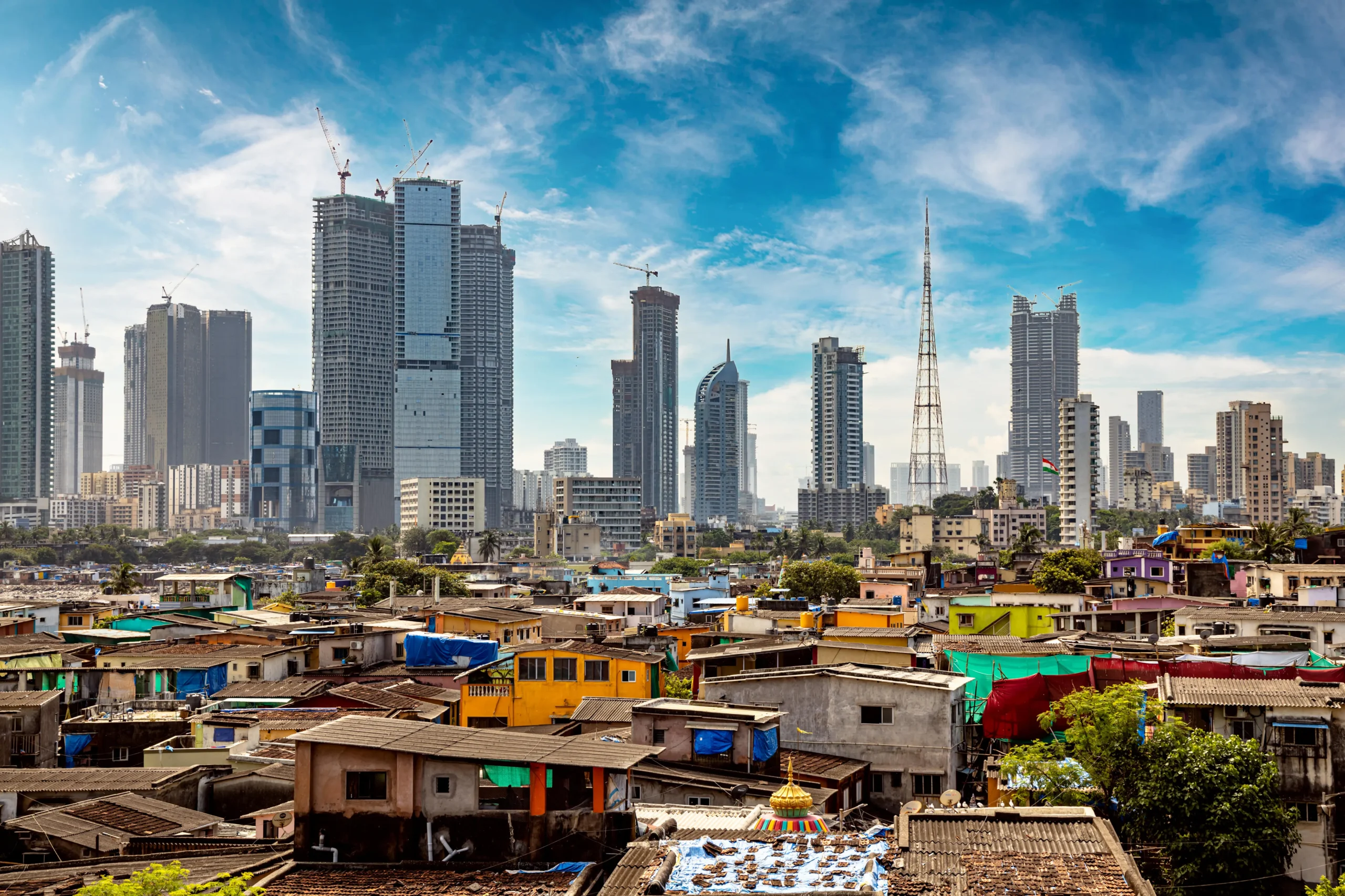 This is the real surprise for most visitors. Dharavi Mumbai is a humming economic engine. Dharavi is a hub of informal industries and small-scale businesses. The estimated annual turnover is a massive one billion US dollars.
Let’s look at the key sectors:
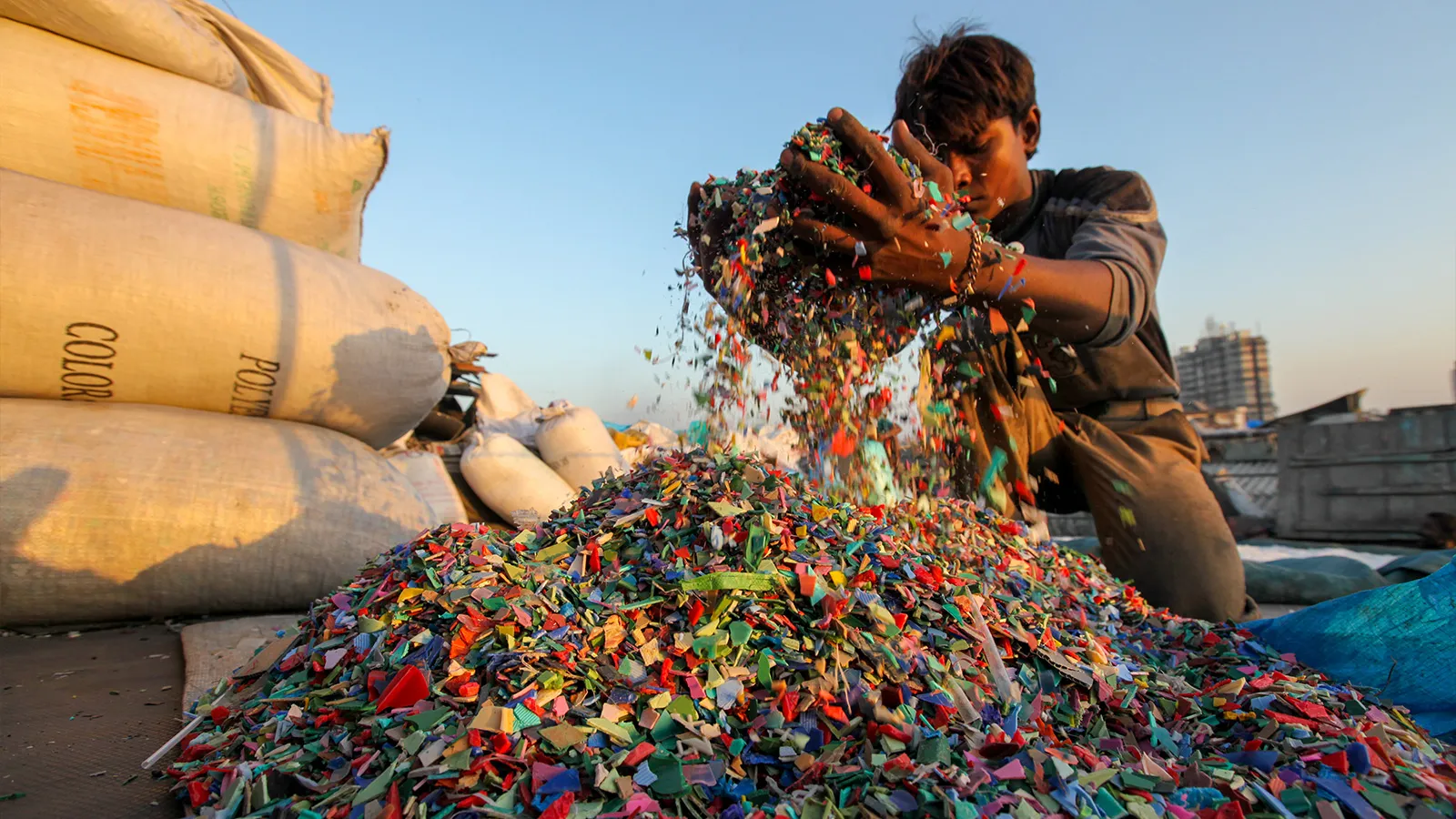
Recycling:
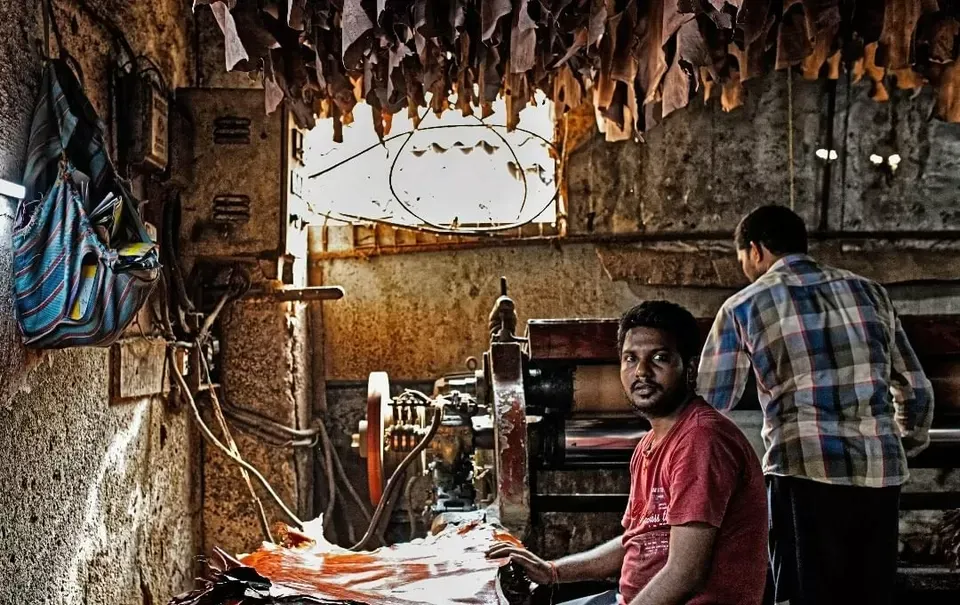
Dharavi is one of the world’s most efficient recycling ecosystems. Plastic, paper, metal – nothing goes to waste. Leather Goods:
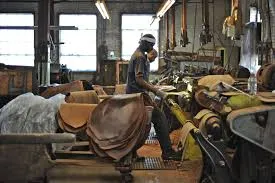
Small workshops produce high-quality leather bags, jackets, and wallets. Many of these are even exported.
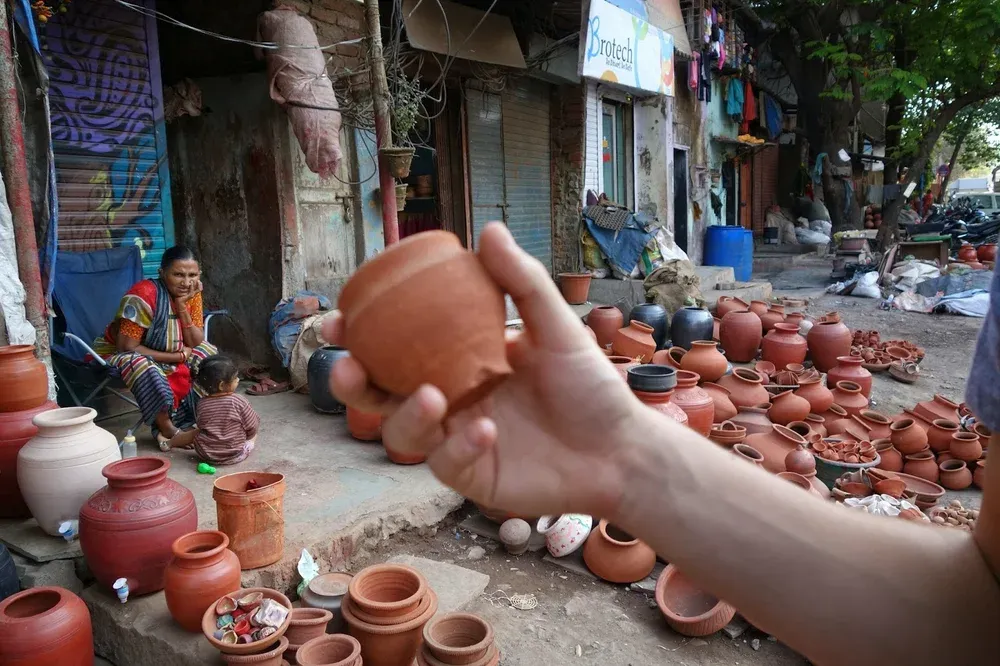
Pottery:
The Kumbharwada area is famous for its traditional potters. They create beautiful clay products. Each piece, from a simple pot to an intricate diya, tells a story of heritage, patience, and creativity shaped by hand and fire.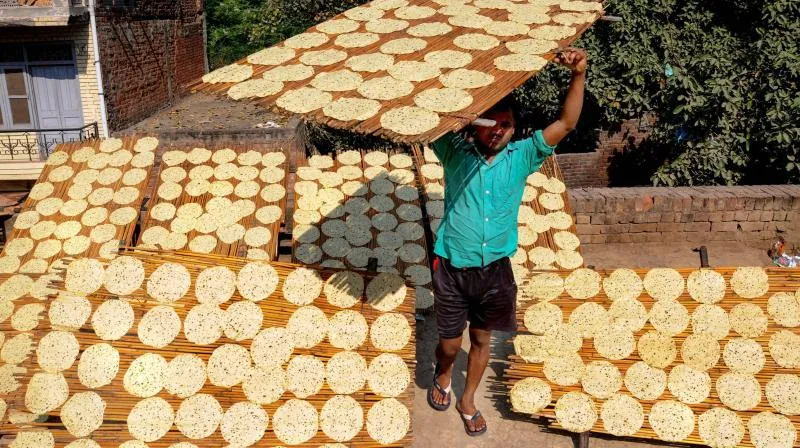
Textiles and Food:
You will find bakeries, soap factories, and snack producers everywhere. From hand-stitched garments to mouth-watering savouries, these local businesses keep Dharavi’s economy alive and buzzing. This is a place of pure entrepreneurship. People are resourceful, dynamic, and incredibly hardworking. They are proactively building their own futures, empowered and self-reliant.Rewriting the “Slum” Narrative
Yes, there are real challenges. Access to water and sanitation can be difficult. Space is limited. Living conditions are tough. Nobody should romanticise that. But the word “slum” creates a big misconception. This suggests a place of despair and helplessness. The reality is different. Dharavi is a place of self-sufficiency, innovation, and community spirit. Most residents do not call this place a Mumbai slum. They call it their “neighbourhood” or “colony.” This is their home, and they have built lives here. This is the vibrant side that responsible Dharavi tours aim to show. They help rewrite the narrative.A Glimpse into History: Dharavi’s Past
Dharavi has a complex history. In the 1960s through the 1980s, a man named Varadarajan Mudaliar was a powerful figure. He had a strong influence within the Tamil community during that era. His life has been portrayed in films and the media. It is important to know this history. But it is equally important to clarify one thing. That past does not define the vast majority of the hardworking, law-abiding residents of Dharavi Mumbai, today. The community has grown and transformed immensely since then.The Future of Dharavi: Redevelopment Plans
The future of Dharavi Mumbai is a hot topic. Its location is strategic, right in the heart of the city. For decades, there have been talks about redevelopment. Now, a major plan is underway. Dharavi is a joint project by the Slum Rehabilitation Authority (SRA) and the Adani Group. The goals are big: better housing, modern infrastructure, and free homes for eligible residents. The challenges are also big. Where will people go during construction? How will close-knit community bonds be preserved? Can the redevelopment be implemented fairly for everyone? The world is watching to see how this transformation unfolds.Lessons from Dharavi: Key Takeaways
 What can we learn from this incredible place? Dharavi Mumbai is more than its narrow lanes and crowded homes; it’s a living classroom of creativity, courage, and cooperation. Every corner teaches something about survival and success. This shows how people turn challenges into opportunities and build a life full of hope, even in tough conditions.
Entrepreneurship: Small businesses thrive with minimal resources.
Community Spirit: People rely on and support each other.
Innovation: They are masters at repurposing and recycling.
Resilience: There is a powerful determination in the face of adversity.
Dharavi is not a drain on Mumbai. This place is a major contributor to the city’s informal economy, which makes the city run.
What can we learn from this incredible place? Dharavi Mumbai is more than its narrow lanes and crowded homes; it’s a living classroom of creativity, courage, and cooperation. Every corner teaches something about survival and success. This shows how people turn challenges into opportunities and build a life full of hope, even in tough conditions.
Entrepreneurship: Small businesses thrive with minimal resources.
Community Spirit: People rely on and support each other.
Innovation: They are masters at repurposing and recycling.
Resilience: There is a powerful determination in the face of adversity.
Dharavi is not a drain on Mumbai. This place is a major contributor to the city’s informal economy, which makes the city run.