
Dharavi often appears in popular culture as a place defined by lack. Films and media narratives have long shaped it as a symbol of urban struggle. Yet this image collapses under closer examination. Dharavi functions as one of the most productive informal economies in the world, generating an estimated $1 billion or more annually.
Rather than a settlement waiting to be fixed, Dharavi operates as a highly adaptive urban system. It turns waste into value, scarcity into innovation, and density into efficiency. The community has built a circular economy that global sustainability experts now study with growing interest.
- Challenges the one-dimensional portrayal seen in cinema
- Functions as a “city within a city”
- Operates on reuse, repair, and reinvention rather than disposal
What if the answer to modern waste management already exists, quietly thriving in plain sight?
The Engine of Mumbai: Scale and Significance
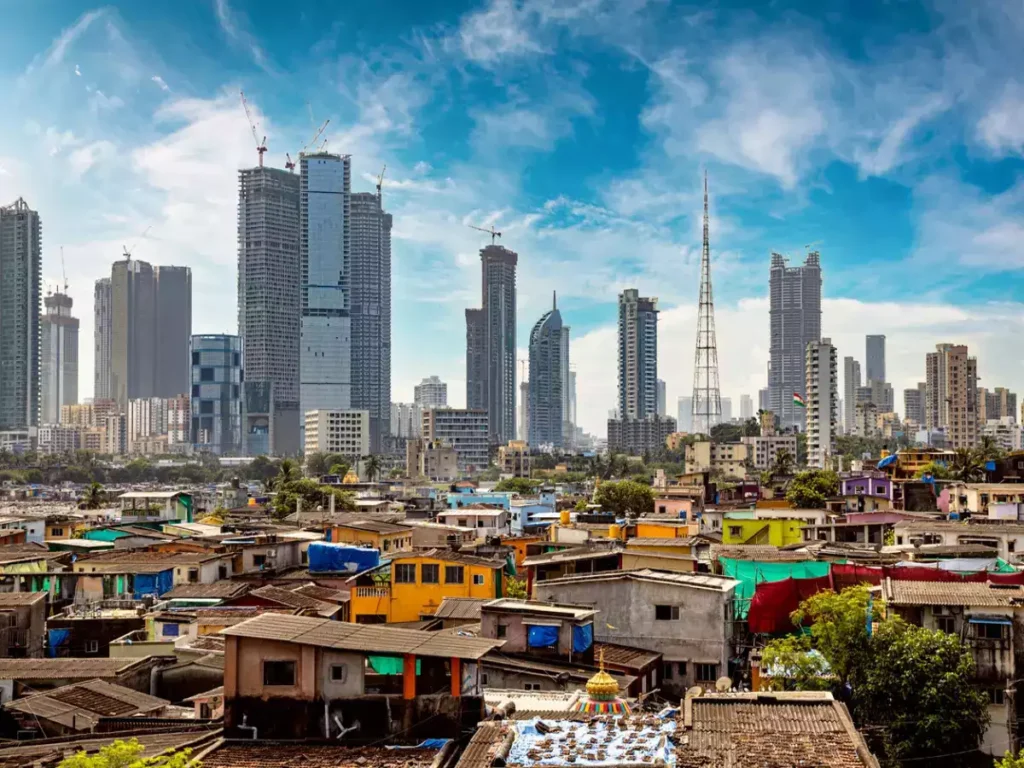
The scale of the Dharavi recycling industry places it among the most impactful environmental systems in South Asia. What appears informal at first glance performs an essential civic function that formal infrastructure alone cannot manage.
Mumbai produces thousands of tons of waste every day. Dharavi absorbs and processes a vast share of this output, preventing irreversible pressure on landfills and coastal ecosystems. In doing so, it supports an economic network that rivals formal industrial zones in productivity.
- Processes an estimated 80 percent of Mumbai’s plastic and dry waste
- Matches or exceeds recycling rates of several developed nations
- Supports roughly 250,000 livelihoods across interconnected trades
This system does not supplement Mumbai’s economy. It stabilizes it.
Anatomy of a Circular System: How It Works
Dharavi’s circular economy succeeds because it relies on precision, experience, and decentralization rather than centralized control. Each stage of the process feeds the next, creating a continuous flow of material recovery.
The journey begins with waste pickers who collect recyclable material across the city. Their work requires acute material knowledge and speed. Collected waste then enters Dharavi’s industrial core, known as the 13 Compounds, where transformation begins.
Within the plastic recycling industry in Dharavi, workers demonstrate extraordinary technical skill:
- Sorting plastic by polymer type and color using sight and touch
- Crushing and washing plastic to remove contaminants
- Sun-drying plastic flakes on rooftops before resale
- Sending processed material to factories for pellet production
Metal, glass, paper, and electronics follow parallel paths, ensuring minimal material loss.
The Human Dimension: Livelihoods and Community
Behind every process stands human labor shaped by resilience and necessity. Dharavi’s economy remains largely informal, and many workers operate without access to formal protections or health safeguards.
Despite these challenges, dignity and expertise define the workforce. People here master trades through lived experience rather than formal training. Recycling is not a fallback occupation. It is a specialized profession developed through years of practice.
- Provides economic entry points for migrants and women
- Sustains multi-generational family businesses
- Supports schools, workshops, and neighborhood enterprises
- Reflects strong interfaith and community cohesion
Dharavi’s economy does more than generate income. It sustains social stability.
Challenges and the Road Ahead
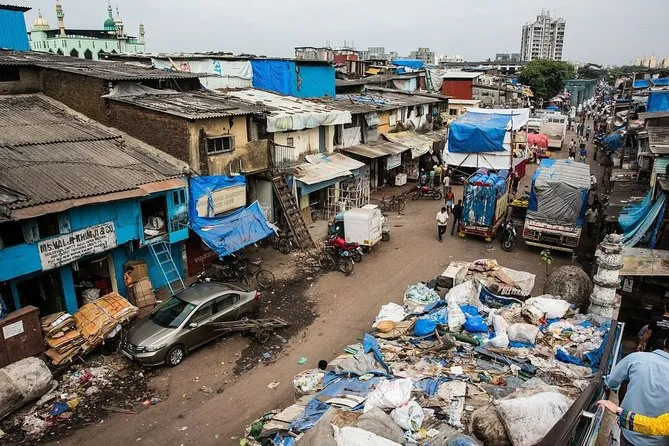
Dharavi’s efficiency does not eliminate its vulnerabilities. Health risks, income volatility, and the absence of legal safeguards remain persistent concerns. Large-scale redevelopment proposals also threaten to dismantle the finely balanced networks that make this ecosystem work.
At the policy level, concepts such as Extended Producer Responsibility (EPR) introduce new possibilities. By shifting waste accountability back to manufacturers, EPR frameworks could improve worker conditions while strengthening recycling outcomes.
- Informality limits access to healthcare and insurance
- Redevelopment risks disrupting established supply chains
- Policy reform must preserve efficiency while improving safety
Dharavi does not offer a perfect model, but it presents an unmatched real-world example of circular economy principles in action.
From Understanding to Experience
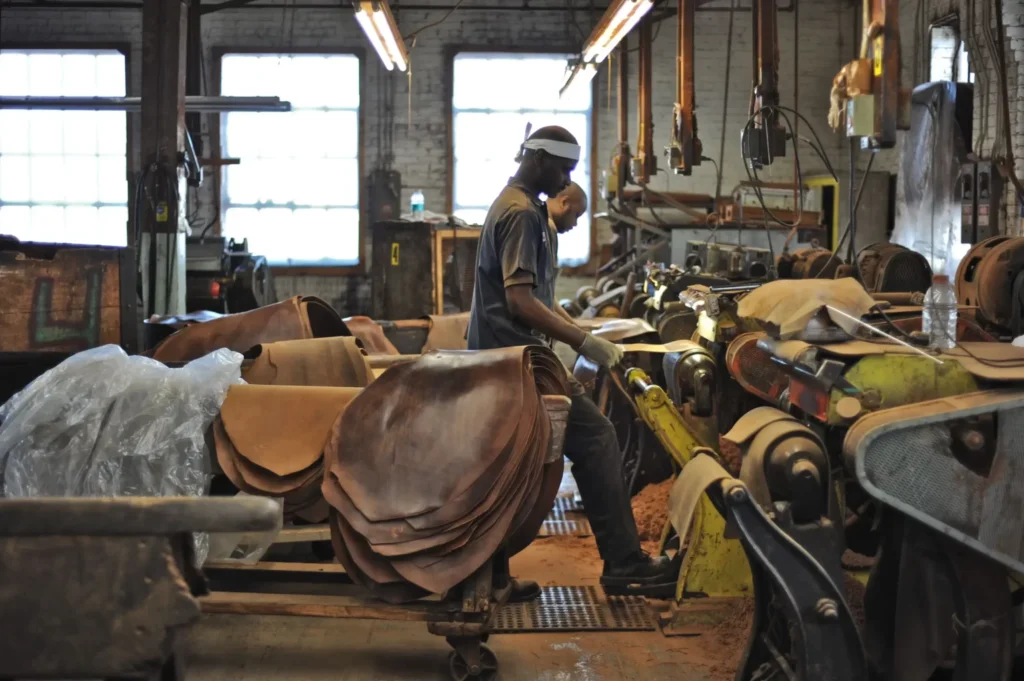
Reading about Dharavi explains the system. Walking through it reveals its scale, rhythm, and human intelligence. The movement of materials, people, and ideas becomes visible only at street level.
This is where experiential learning bridges the gap between theory and reality. Ethical, community-led exploration allows visitors to engage with Dharavi as a place of work and innovation, not spectacle. Programs such as those offered by Mumbai Tours focus on skill, enterprise, and respect.
Visitors experience:
- Guided walks through the 13 Compounds
- Live demonstrations of recycling processes
- Interactions with artisans and small manufacturers
- Insight into how businesses interconnect across lanes
A responsibly designed Dharavi tour transforms observation into understanding.
Magical Mumbai Tours offers a Dharavi Tour that shifts the narrative away from stereotypes and toward lived reality. The experience presents Dharavi as a working ecosystem built on skill, enterprise, and local knowledge, rather than as a place defined by hardship alone.
Magical Mumbai Tours approaches the neighborhood with care and intention. Trained local guides lead each walk, drawing on firsthand understanding of the area’s social and economic rhythms. Their storytelling focuses on entrepreneurship, craftsmanship, and the everyday mechanics that keep Dharavi functioning at scale.
The experience prioritizes ethics and respect at every step:
- Small group sizes to minimize disruption
- Clear guidelines around photography and interaction
- Emphasis on consent, dignity, and context
Visitors do not passively observe. They engage, ask questions, and see how informal industries operate in real time.
A key element of the tour lies in its direct community contribution. Part of the proceeds supports local education initiatives, including a school fund that benefits children in the neighborhood. This ensures the experience creates tangible value beyond awareness.
Through this thoughtful approach, Magical Mumbai Tours allows visitors to understand Dharavi as it truly exists today. It is a place shaped by labor, ingenuity, and resilience, offering lessons in sustainability that feel grounded, human, and deeply relevant.
Conclusion: Seeing Dharavi Clearly
Dharavi exists between challenge and achievement. It faces undeniable structural issues, yet it also sustains one of the world’s most effective grassroots recycling systems. Its circular economy operates not through policy mandates, but through necessity, knowledge, and collaboration.
Seeing Dharavi clearly requires moving past assumptions and engaging with its lived reality. Those who do discover not a story of waste, but one of value creation at an extraordinary scale.
To witness this system firsthand is to understand how the future of sustainability may already be working quietly in the present.