Mumbai thrives on movement, colour and constant contrast. Every street tells a different story, yet only a few neighbourhoods capture this vibrant rhythm as effortlessly as Dharavi. At first, its lanes feel like a maze filled with workshops and small Shops, but a few moments here reveal something deeper. This is where you sense Mumbai’s spirit in its purest form.
The leather market Dharavi sits right at the centre of this lively universe. It attracts travellers who want to see the craft and energy that drive the city. Conversations with artisans, glimpses into their daily work and the incredible community around them make this visit unforgettable.
Why Visit Dharavi Market? Beyond the Stereotypes
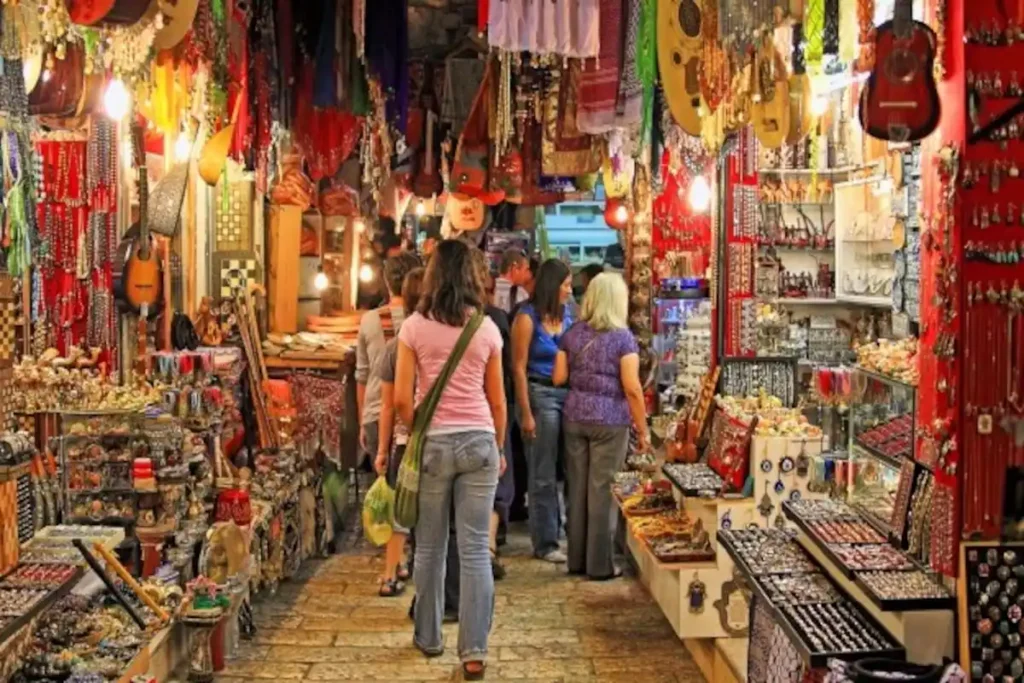
People often walk into Dharavi with preconceived ideas. Within minutes, those ideas fade and admiration takes their place. This neighborhood operates as a self-sufficient economic ecosystem where thousands of micro-industries work side by side. Every turn reveals a new workshop, each driven by skill and long-practiced precision.
The leather market Mumbai visitors look forward to is only one part of this dynamic picture. Here you see resilience in action. Families pass techniques from one generation to the next. Lanes are filled with movement as artisans craft shoes, bags and accessories with remarkable finesse. The leather market Dharavi is more than a destination for affordable goods. It represents hard work, creativity and entrepreneurship at its finest.
Walking through the area helps you understand how such a compact place has become one of the most productive craft clusters in Asia. It is not just a market. It is a living example of resourcefulness and community spirit.
Best Time to Visit Dharavi Market: A Detailed Guide
Selecting the right time to explore the leather market Dharavi can shape your entire experience. The market operates daily, but the crowd flow and weather influence how comfortable your visit feels.
Weekdays
Weekdays are ideal if you enjoy peaceful, meaningful interactions. The artisans have more time to talk about their process, explain their tools and share their stories. The lanes feel open and manageable, giving you a chance to browse Shops without rushing. Visiting between late morning and early evening lets you experience the workshops at their most active.
Weekends
Weekends bring energy. The market becomes livelier as locals and tourists fill the streets. If you enjoy a festive atmosphere, this is when the mumbai leather market is at its most vibrant. Every turn reveals conversations, bargaining and movement. Arriving early helps you navigate comfortably before the crowds grow.
Weather Guide
The months between October and February feel pleasant and cool. Mumbai’s summers are warm and humid, making narrow lanes feel hotter than usual. The monsoon is manageable, but walking becomes slightly tricky in slippery patches. Staying prepared with comfortable footwear and light clothing makes the entire experience smoother.
How to Reach Dharavi Leather Market: Transportation Options
Dharavi sits right at the centre of Mumbai, which makes reaching the leather market Dharavi simple for most visitors.
By Train
Mumbai’s train network is one of the quickest ways to reach the area. Travelers often search for the term Dharavi nearest railway station before planning their trip, and for good reason. Bandra on the Western Line and Kurla on the Central Line offer the fastest access. A short taxi or rickshaw ride takes you straight into the market lanes.
Sion station is another helpful stop, especially if your focus is the Sion Dharavi leather market area. This option reduces your road travel time and is convenient for visitors staying in central Mumbai.
By Bus
Mumbai’s BEST buses connect the entire city. Several routes stop at the Dharavi Depot or the neighboring lanes. This option works well for travelers who enjoy watching daily life unfold during the ride.
By Taxi or Auto Rickshaw
A taxi or rickshaw is the simplest option for first-time visitors. Drivers are familiar with the popular leather market Mumbai shoppers talk about, so finding the exact lane never becomes complicated. App-based taxis offer fixed rates and comfort.
By Metro
The metro in Mumbai continues to expand rapidly. It has not entered the Dharavi lanes yet, but stations near Bandra and Kurla make the commute smooth. New developments will bring travelers even closer. When construction finishes, the new Dharavi metro station will provide direct and easy access. Until then, using nearby stations and completing the final stretch by road works perfectly. The planned Dharavi metro station remains one of the most anticipated upgrades in this part of the city.
What to Expect and See: A Guide to the Market’s Sections
A walk through Dharavi reveals an environment full of activity, skill and purpose. Machines hum steadily, workers move through narrow lanes and creativity fills every corner.
Leather Goods Hub
This is the beating heart of the Mumbai leather market experience. Shops display handcrafted jackets, belts, wallets, messenger bags, and accessories. Many workshops sit just behind storefronts, so you often see artisans cutting and stitching leather right in front of you. Their precision and technique show years of dedication. Prices feel reasonable, especially considering the high quality that rivals branded boutiques.
Dharavi Bag Market
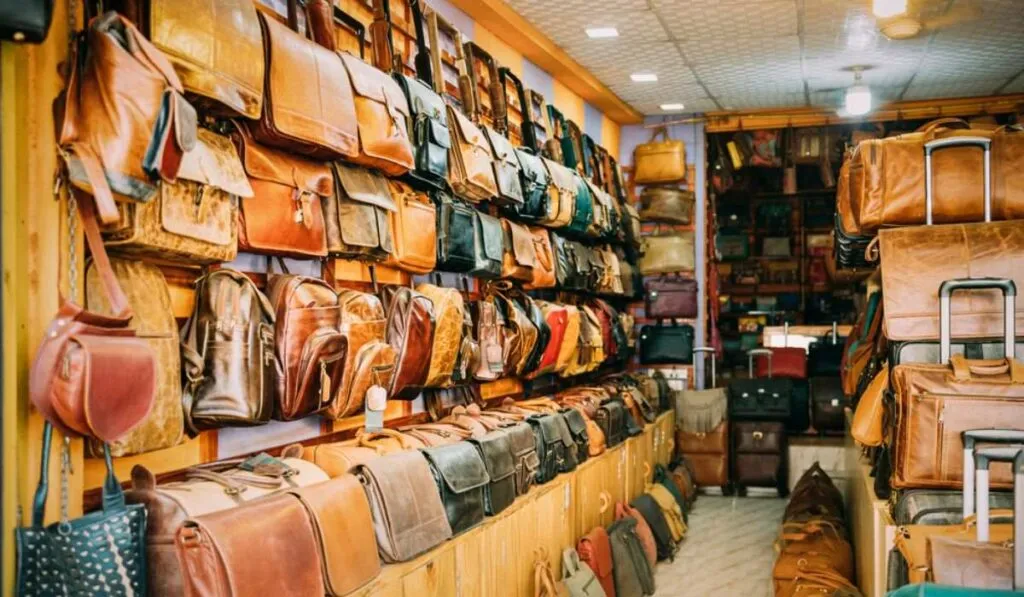
The Dharavi bag market is a paradise for anyone who loves stylish and sturdy bags. You find backpacks, laptop cases, compact sling bags and elegant handbags made with neat finishing. Many visitors enjoy customising their pieces. Artisans are open to adjusting straps, adding compartments or creating personalised touches. This blend of skill and flexibility makes this one of the most famous segments of the leather market Dharavi.
Dharavi Shoe Market
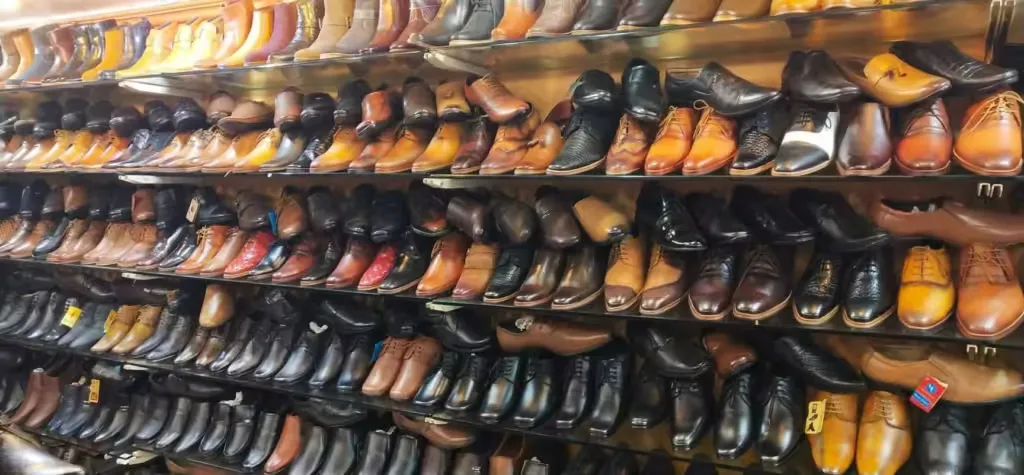
The Dharavi shoe market is another major attraction, especially for those who want durable footwear crafted with care. You see everything from everyday sandals to heavy-duty boots and polished formal shoes. Artisans shape, glue and stitch each pair with admirable focus. Many Shops allow fitting and minor adjustments while you wait. This makes buying shoes here both personal and enjoyable.
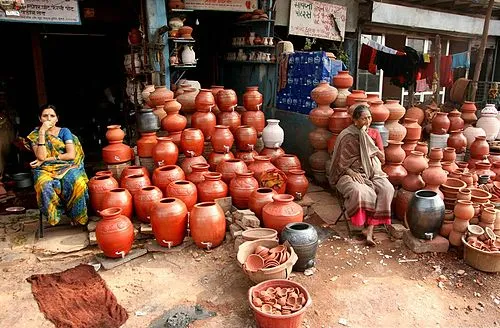
Pottery and Textile Units
Slightly removed from the busiest leather lanes, these units reveal a different side of Dharavi. Potters mould clay into everyday vessels, while textile artisans handle printing, dyeing and stitching work. These sections highlight how diverse and creative this neighbourhood truly is.
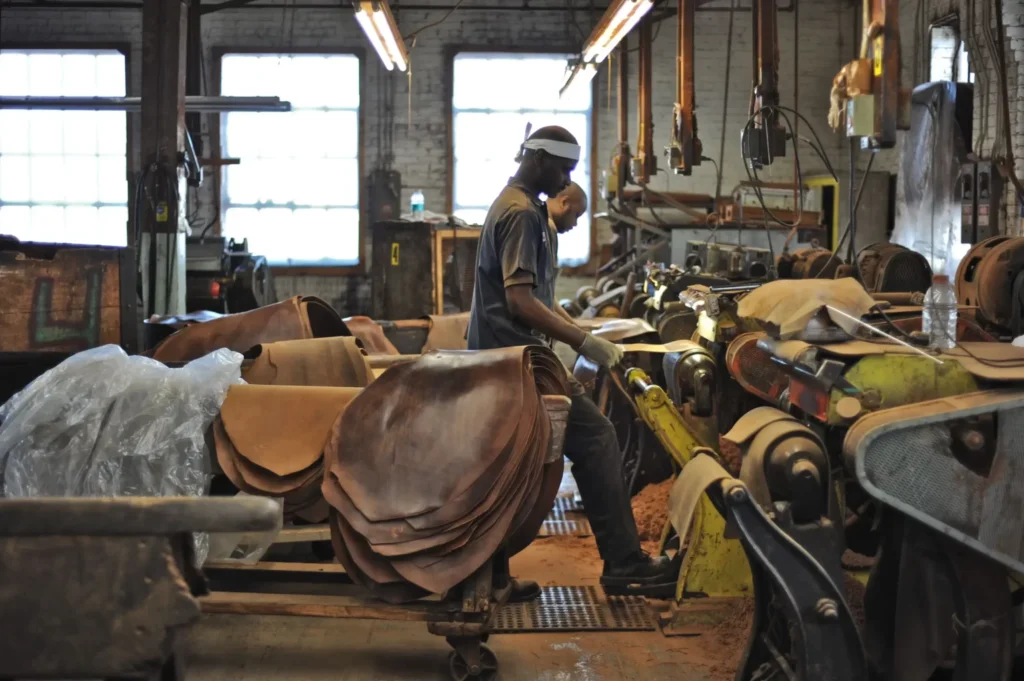
Recycling Alleys
The recycling cluster is one of Mumbai’s most significant. Workers sort and process plastic, cardboard and metal which later re-enter manufacturing chains. This section gives visitors a clear look at the sustainable practices embedded into Dharavi’s economy.
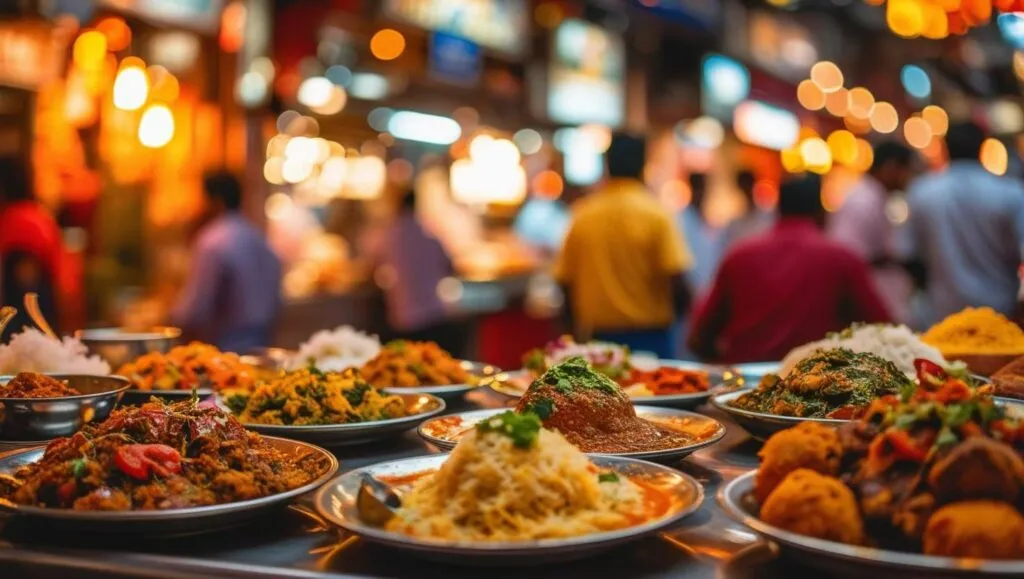
Street Food Stalls
Small stalls serve chai, pav bhaji and other favorites. They offer a pleasant break and add warmth to your visit. Watching residents gather over tea adds to the cultural charm.
Is a Guided Tour Recommended?
Navigating Dharavi for the first time can feel confusing, but a guided walk with Magical Mumbai Tours turns it into a clear and meaningful experience. Our approach helps you explore with confidence while understanding the deeper purpose behind each bustling lane.
Clear Understanding of the Layout
Magical Mumbai Tours guides explain how Dharavi is structured and why each cluster exists. This makes the maze-like lanes easier to follow and removes the uncertainty many first-time visitors feel.
History and Cultural Context
Your guide shares stories about Dharavi’s origins, growth and role in Mumbai’s creative economy. These insights help you see beyond the market and appreciate the community’s resilience and craftsmanship.
Respectful Entry into Workshops
The team introduces you to workshops with care, ensuring artisans feel respected. They help you observe processes without interrupting delicate work or sensitive production stages.
Deeper Craft Insights
Guides point out details you might overlook on your own, such as stitching techniques, dyeing processes or the skill behind polished leather pieces. This adds depth to your visit and makes each stop more meaningful.
Practical Tips for Your Dharavi Market Tour
A Dharavi market walk feels immersive and energetic, but a little preparation helps you enjoy it fully. These practical tips ensure you move through the lanes with comfort, respect, and confidence.
Bargain Politely and Fairly
Bargaining is part of local culture, yet it works best when done with respect. Artisans invest time and skill into every piece, so a polite approach creates trust and leads to a better experience for both sides.
Carry Cash for Small Workshops
Many small workshops still prefer cash because digital payments are inconsistent across the lanes. You will find online payment options in some units, but carrying cash ensures smoother purchases.
Ask Before Taking Photographs
Always request permission before taking photos. Several workspaces involve sensitive processes, and artisans may prefer privacy while they work. A quick ask shows consideration and avoids discomfort.
Dress Comfortably for Narrow Lanes
Light, comfortable clothes help you manage the warm interiors of the market. Closed shoes are essential because the lanes can be uneven or crowded, and you may step around active workspaces.
Stay Aware in Busy Zones
Dharavi is generally safe during the day, yet staying aware of your surroundings is wise. Pay attention near workshops where machinery or tools are in use to keep your visit smooth and safe.
Beyond Leather: Other Things to Do in Dharavi
Dharavi offers far more than its famous leather workshops. As you explore deeper, you discover a vibrant network of art, culture, learning, and community life that shapes the area’s true character.
Explore Community Centres and NGOs
Local community centres and NGOs regularly organise workshops, cultural programmes, and educational activities. These spaces give you a closer look at Dharavi’s social initiatives and the strong community efforts that support young learners and skilled artisans.
Visit the Pottery Clusters
The pottery clusters reveal a quieter side of Dharavi, where traditional craftsmanship is still practiced with care. Watching artisans mould and fire clay gives you a deeper appreciation for techniques passed down through generations.
Learn About Recycling Units
Recycling units offer one of the most fascinating insights into Dharavi’s economy. These small yet efficient setups demonstrate how waste is sorted, repurposed, and sent back into the production cycle, highlighting a powerful model of sustainability.
Take a Chai Break
A quick chai stop lets you pause and soak in the everyday rhythm of the neighbourhood. It is a simple moment, yet it connects you to the warmth and friendliness that define life in Dharavi.
An Unforgettable Glimpse into Mumbai’s Soul
A trip to Dharavi offers memorable lessons in resilience and community strength. The famous leather market Mumbai travelers often prioritise shows one side of this vibrant neighbourhood, yet the experience goes far deeper. These lanes reveal creativity, skill and entrepreneurship woven into daily life. You leave with a new appreciation of Mumbai’s character and the people who shape it.